


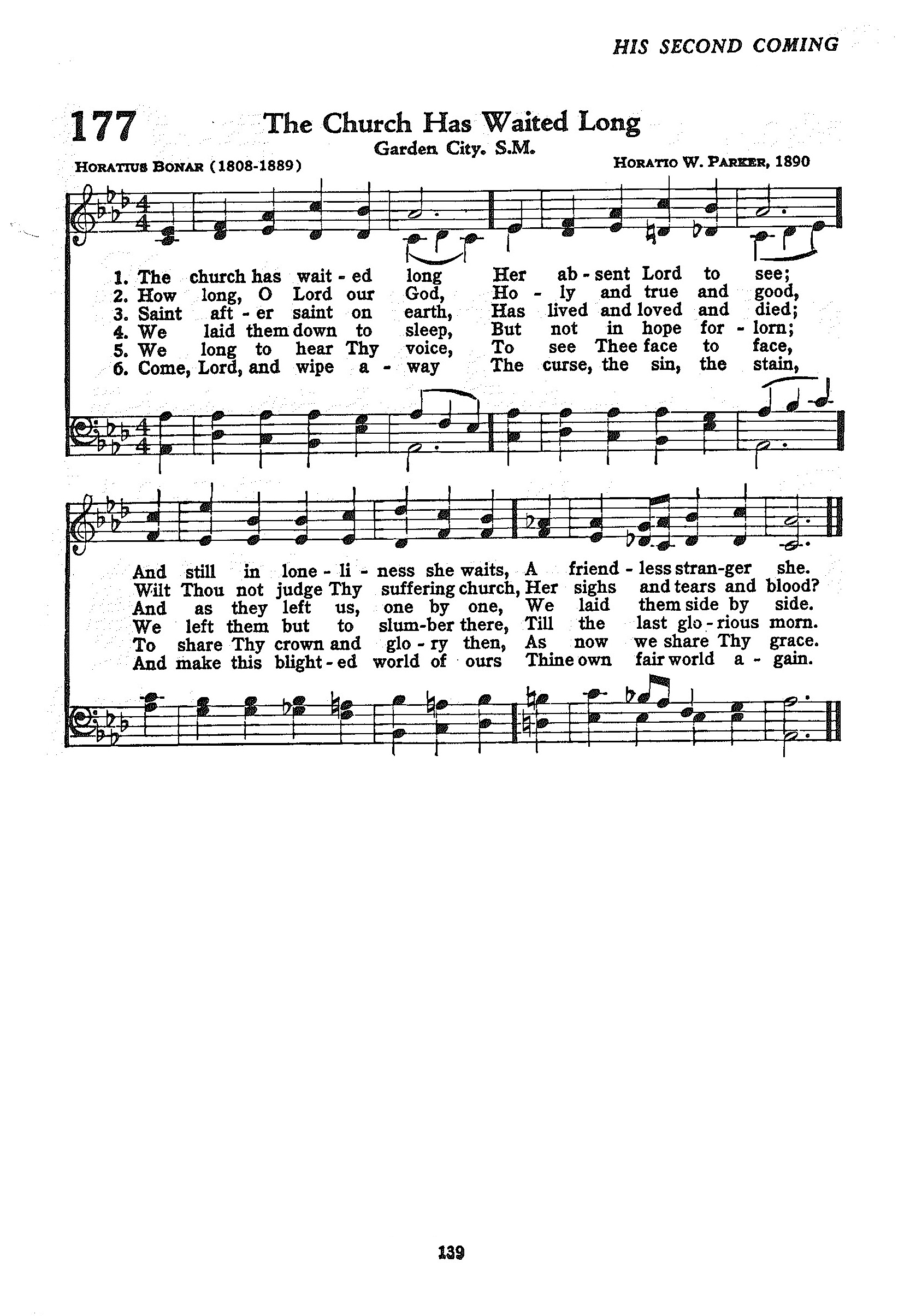
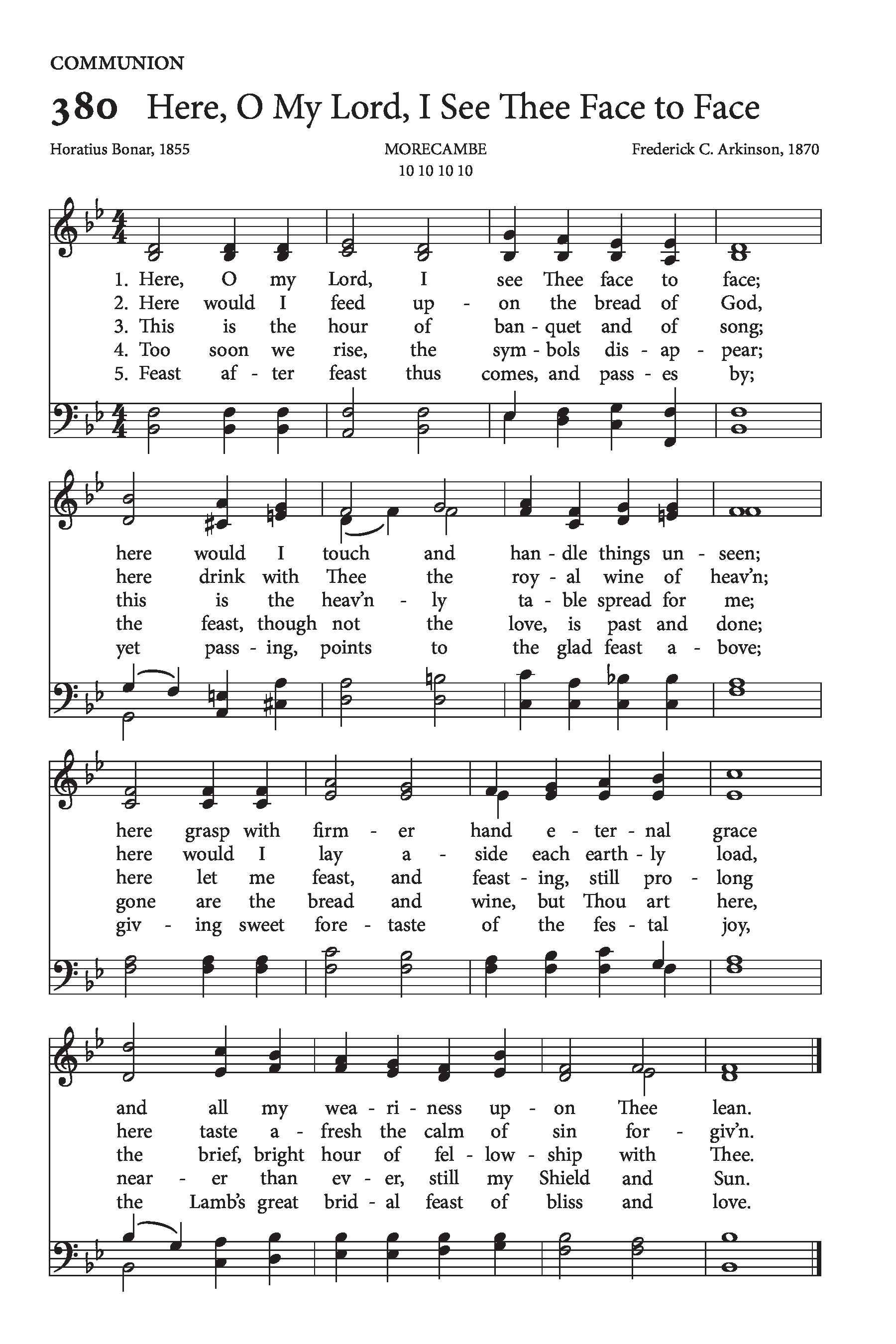
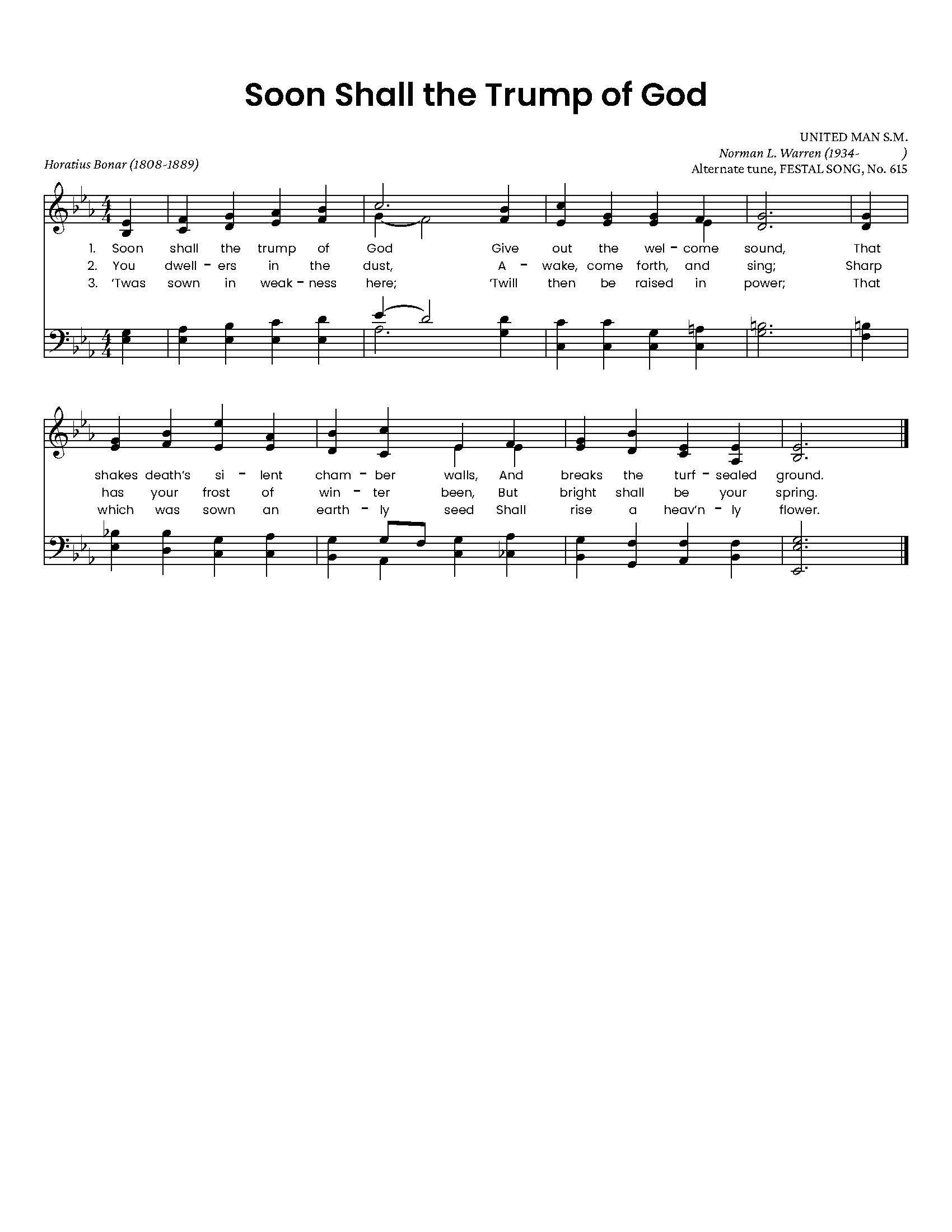
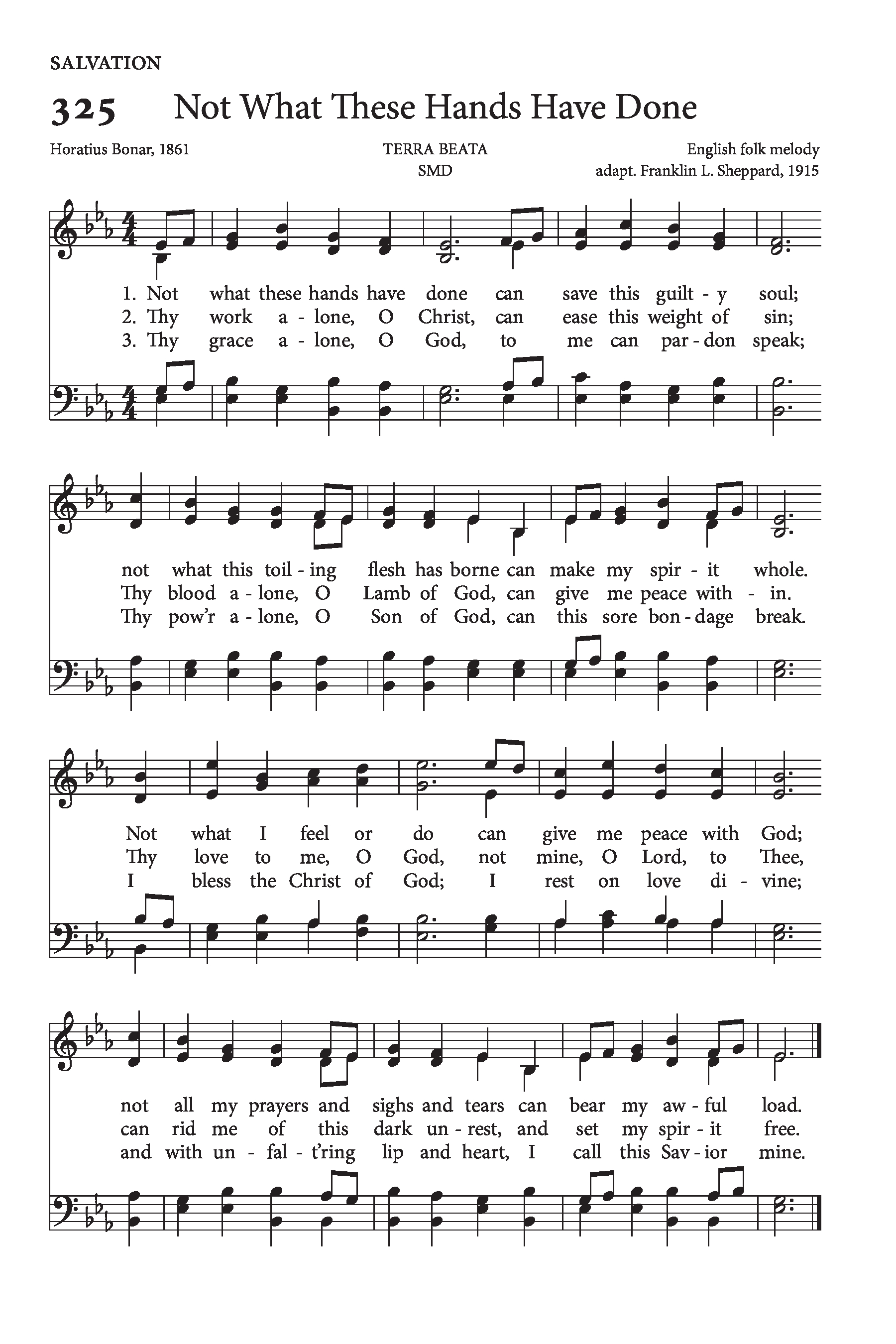
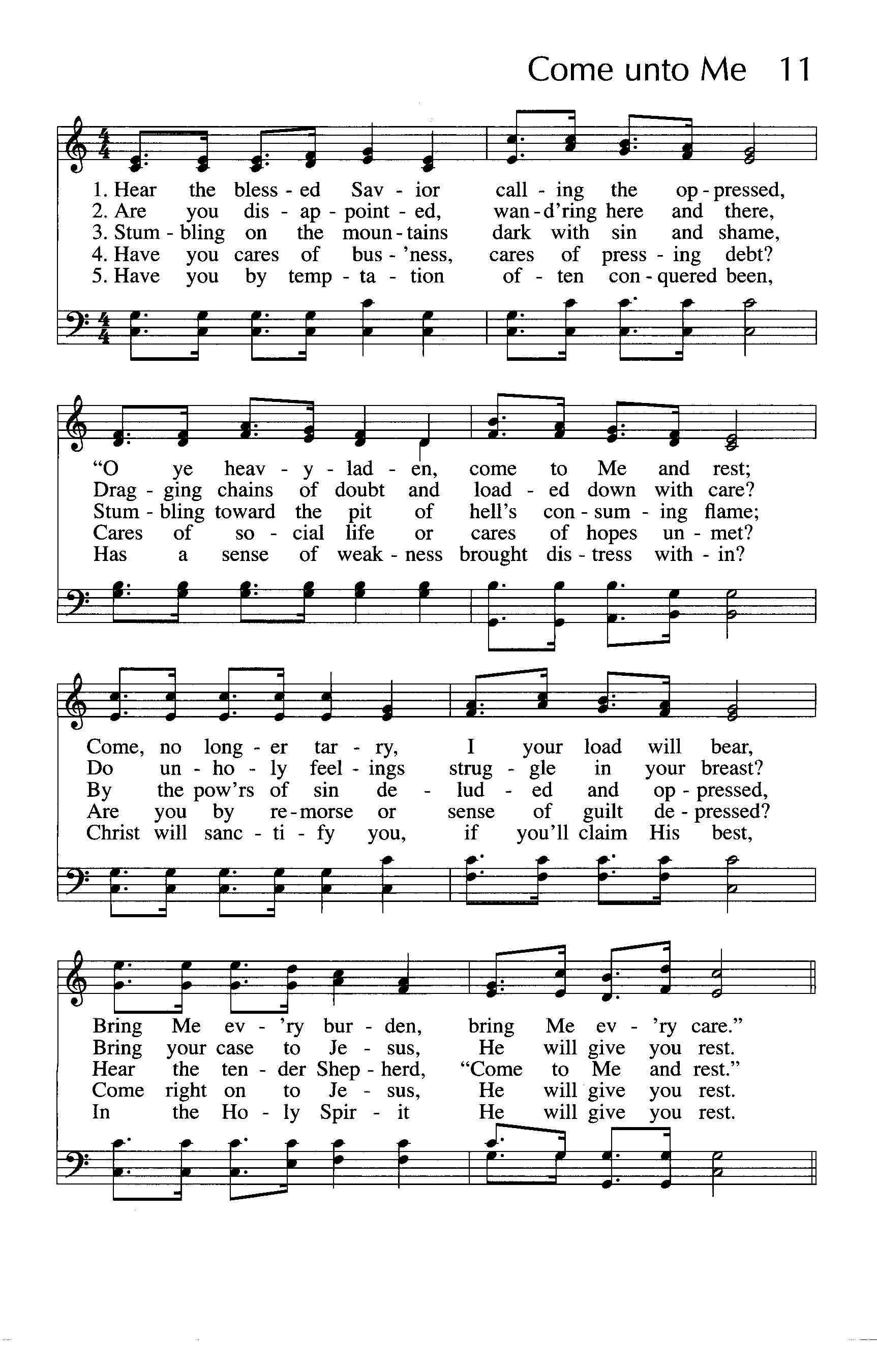
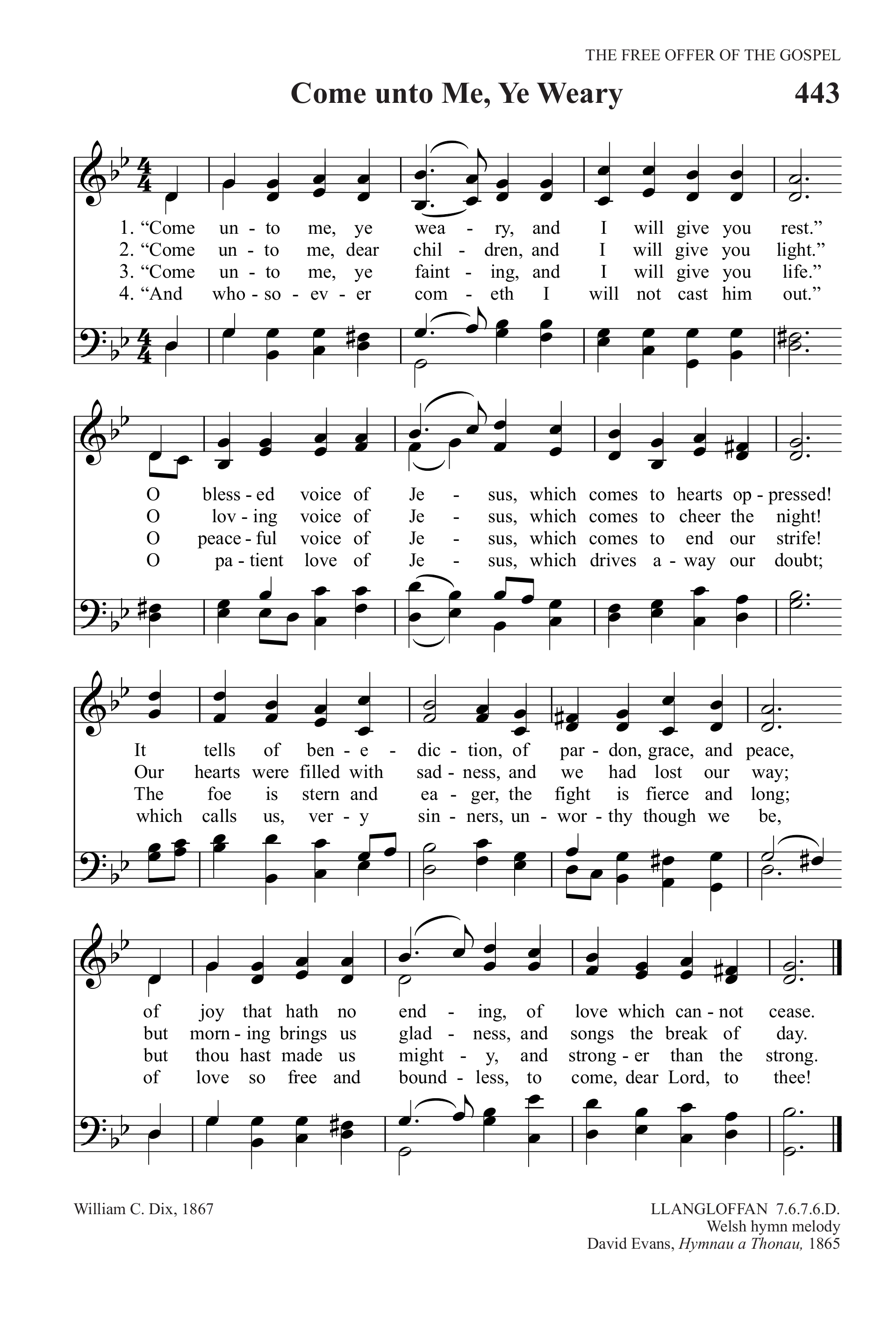
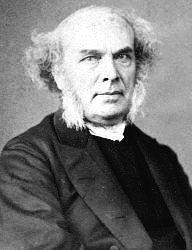
"A sinful man am I" is a mid-Victorian Christian hymn written by the celebrated Scottish divine Dr. Horatius Bonar. Framed as a personal confession that transitions into a gospel invitation, the lyric captures the raw dialogue between human spiritual brokenness and the comforting call of Christ.
The hymn was first published in the third series of Bonar's influential collection, Hymns of Faith and Hope, in 1867. Written under the descriptive title "Come unto Me," the piece is structured in seven stanzas of four lines each, set to Short Meter (S.M.).
In 1873, the hymn was adopted by the Reverend Charles Kemble for inclusion in his widely circulated New Church Hymn Book. Kemble chose to publish the text without any editorial alterations, preserving Bonar's original wording and stanza structure.
Despite its inclusion in major collections and its clear, evangelical focus on the free offer of grace, the hymn never achieved the widespread popularity of Bonar's other works. Throughout the late nineteenth century, its usage remained very limited in the congregational worship of both Great Britain and North America, appearing far more frequently in private devotional reading than in standard church hymnals.
Related Hymns
Hymns in the library connected to this dictionary topic.
-
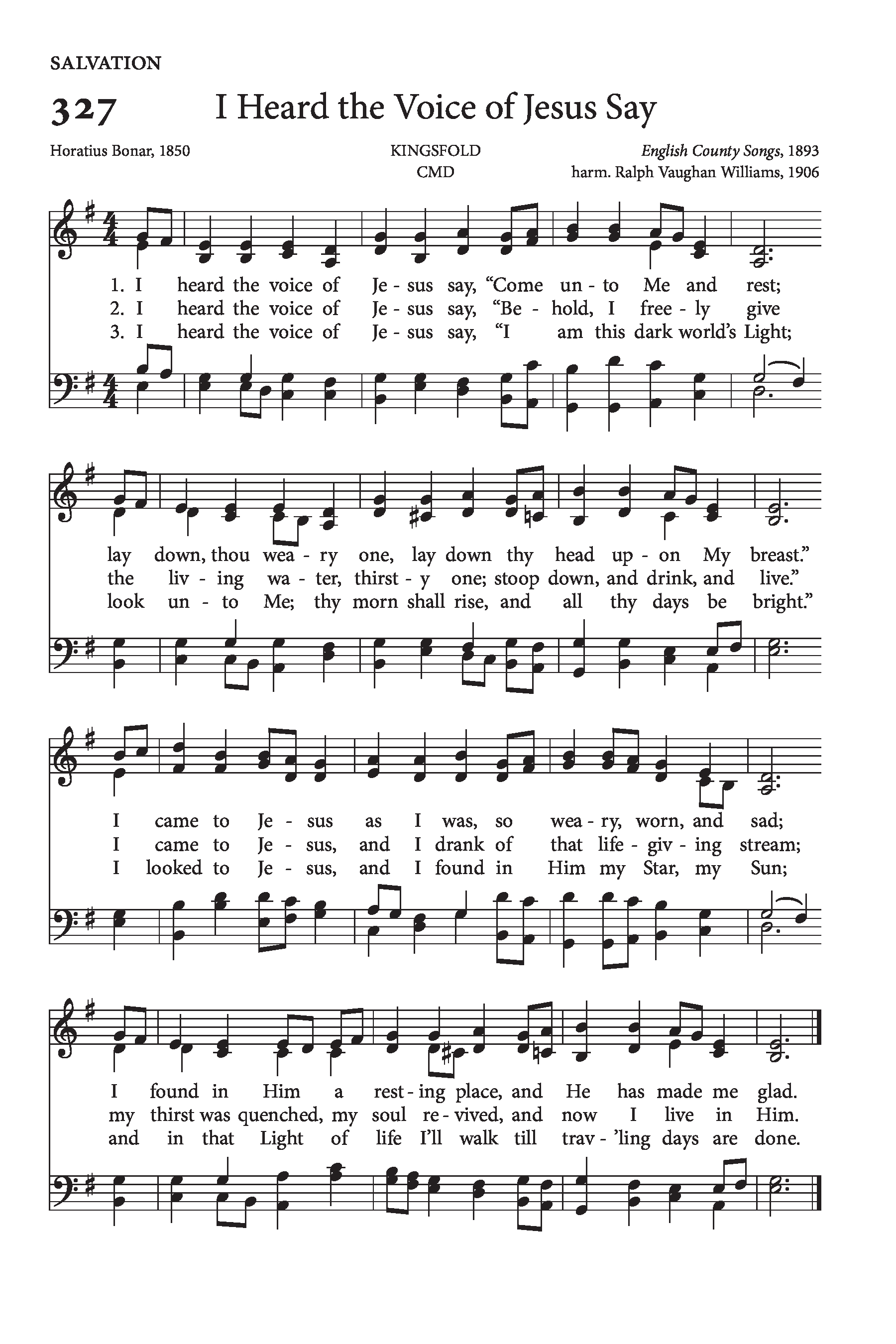
I Heard the Voice of Jesus Say
-
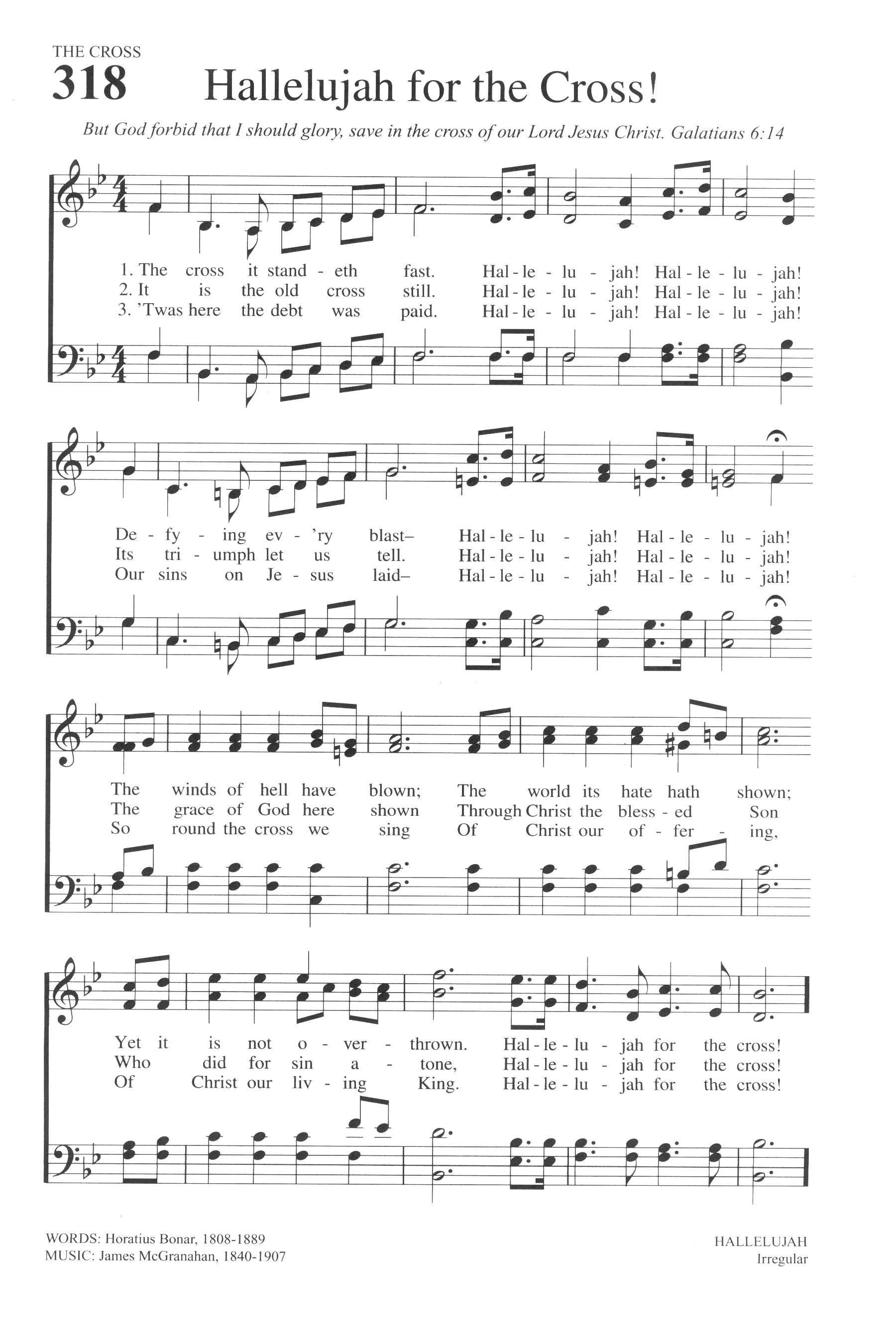
Hallelujah for the Cross!
-
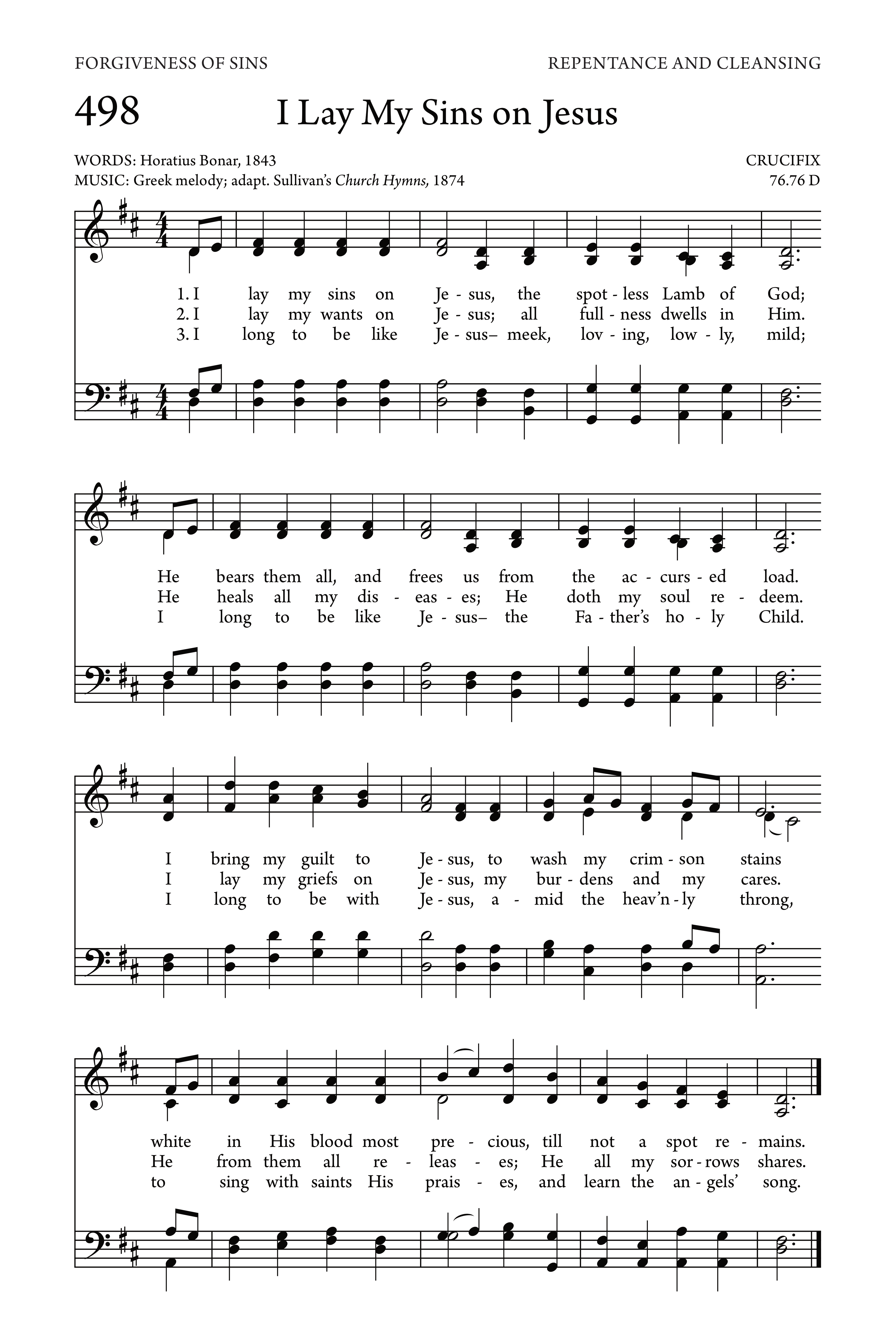
I Lay My Sins on Jesus
-
Here, O my Lord
-
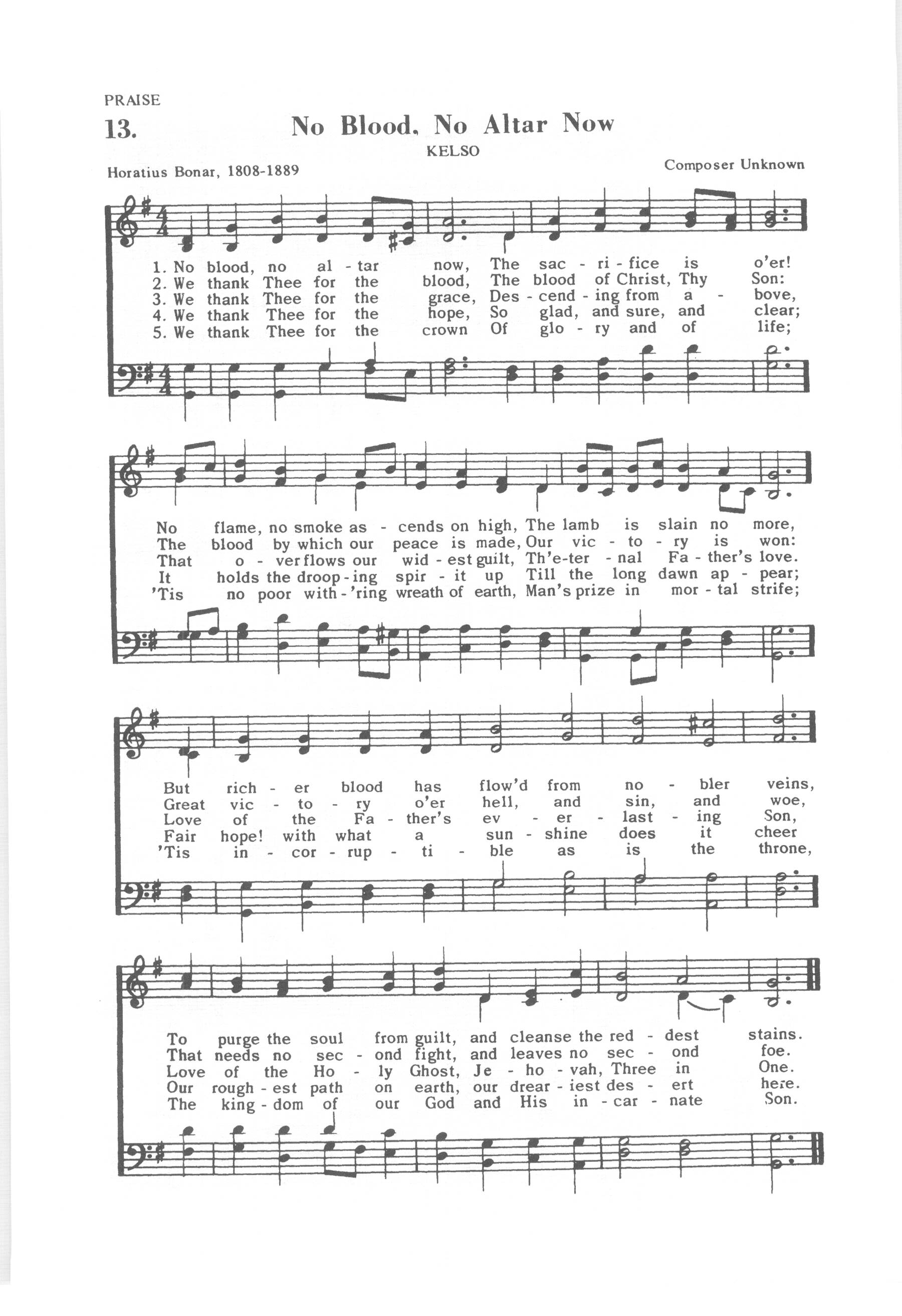
No Blood, No Altar Now
-
I Hear the Words of Love
-
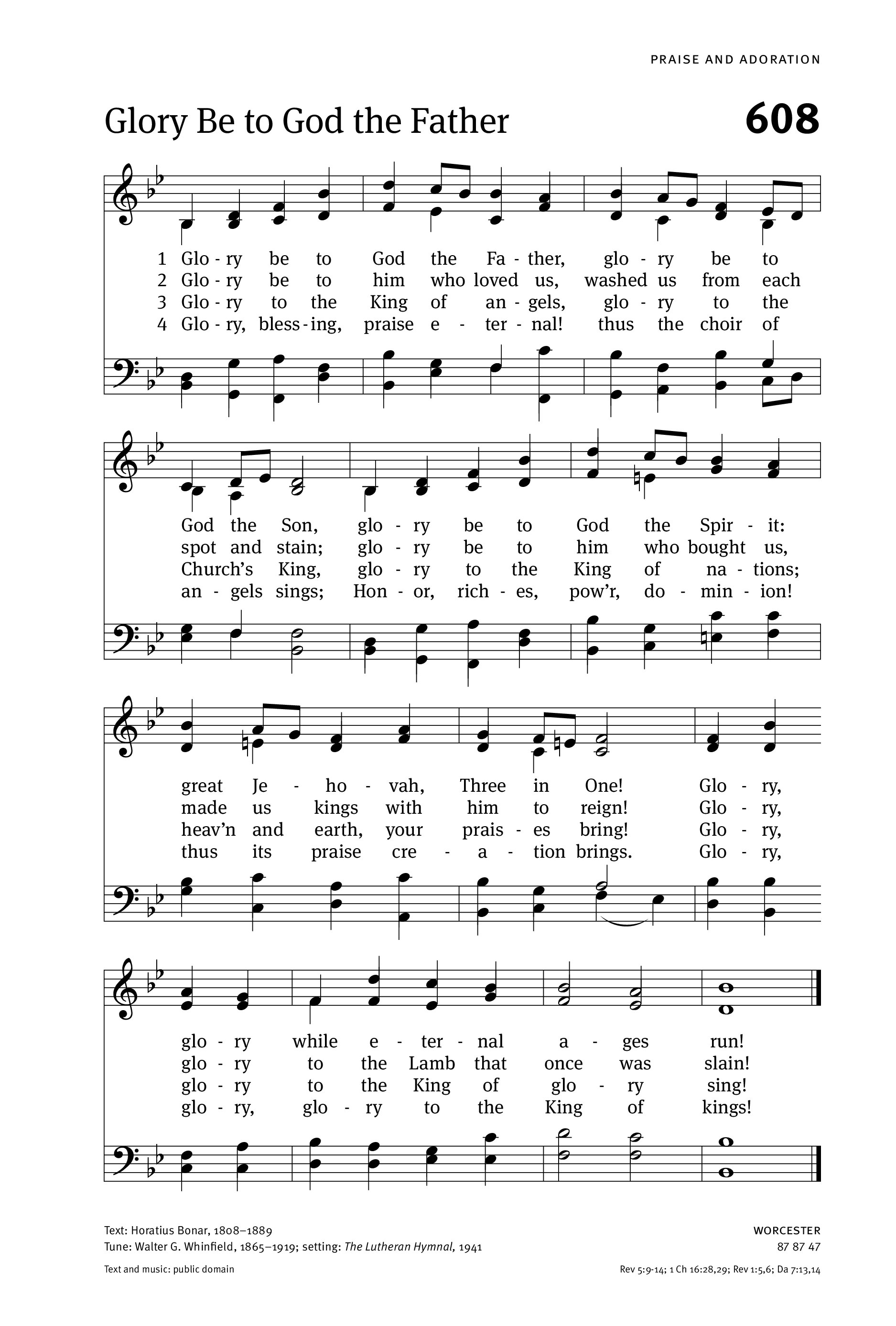
Glory Be to God the Father
-
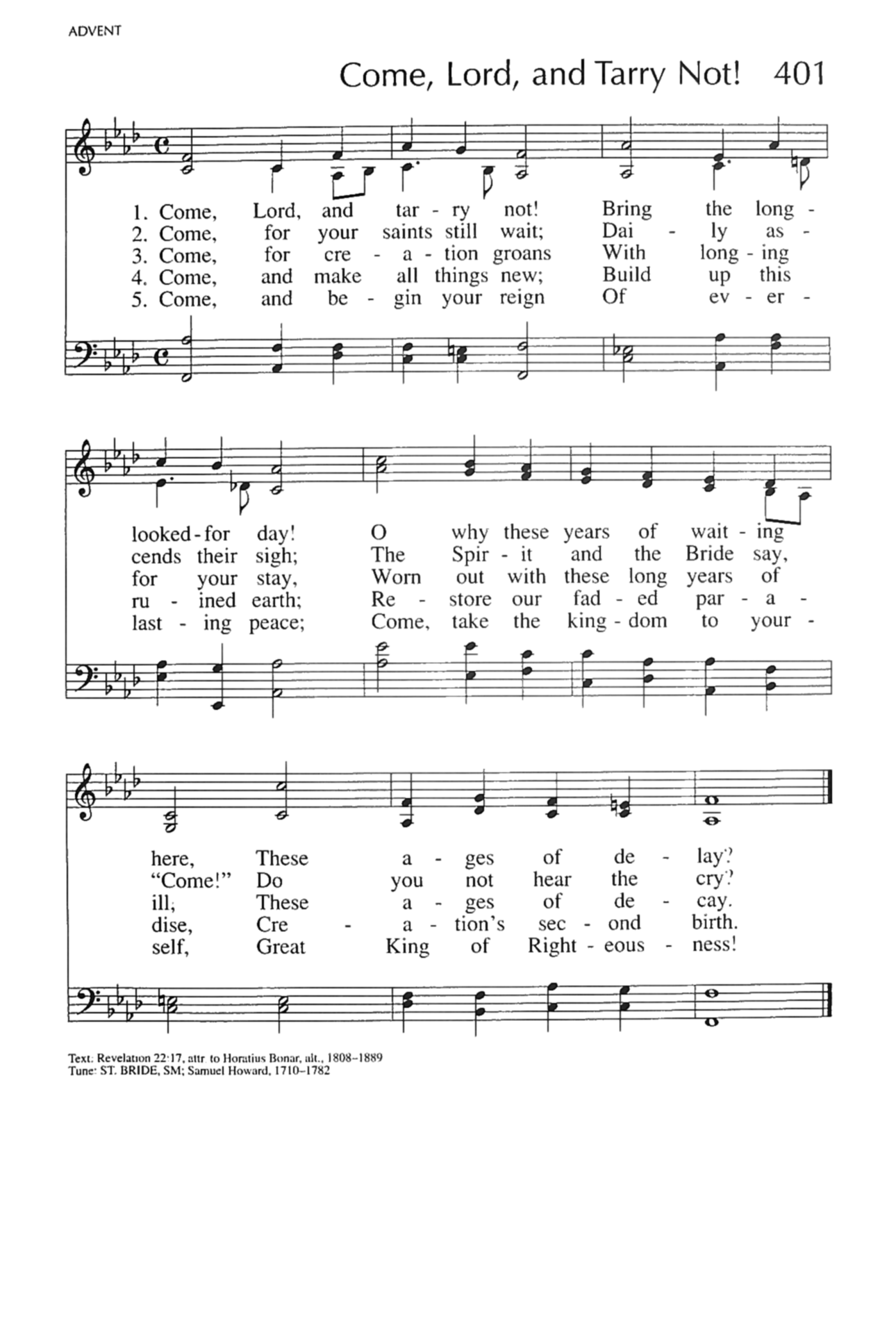
Come, Lord, and Tarry Not
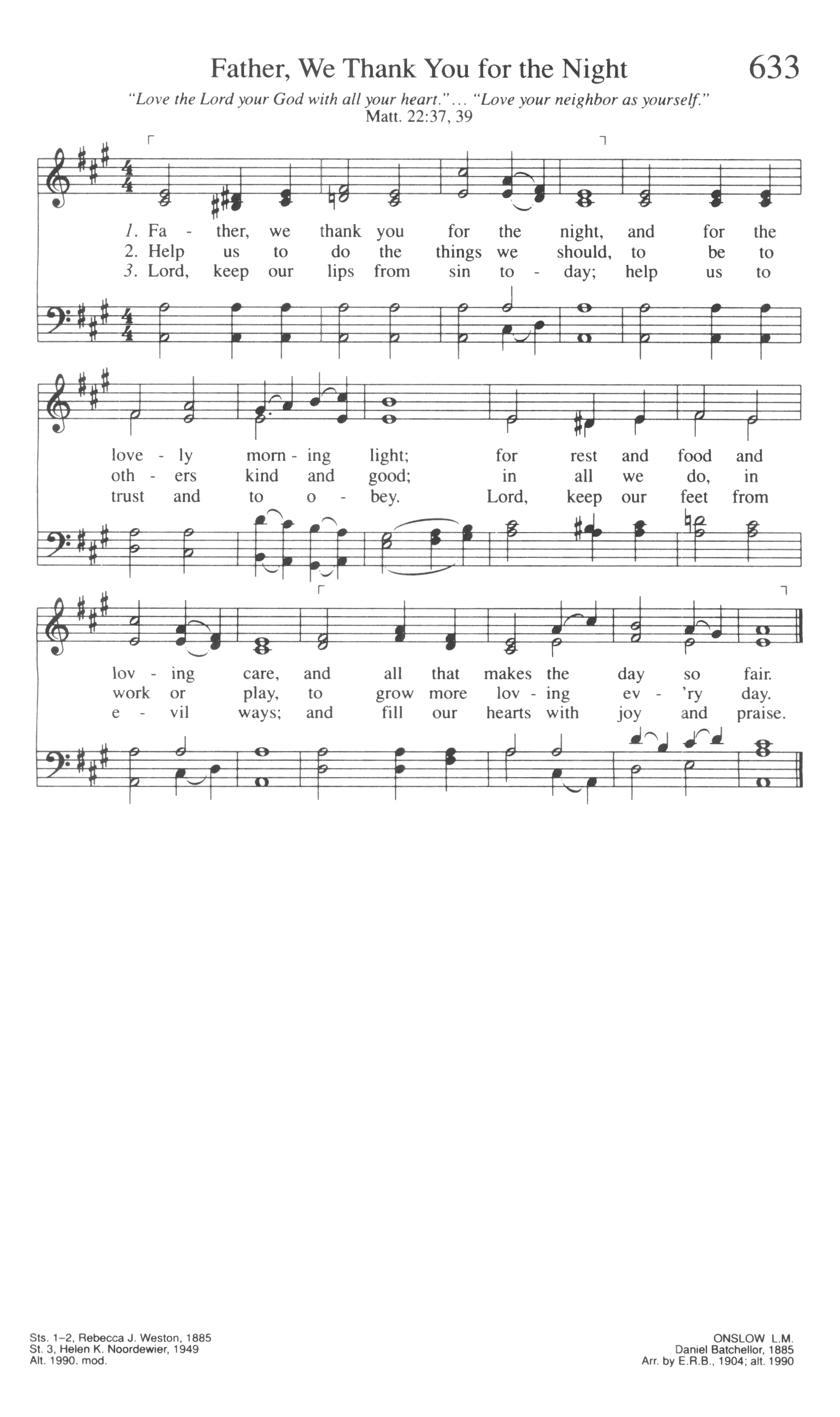
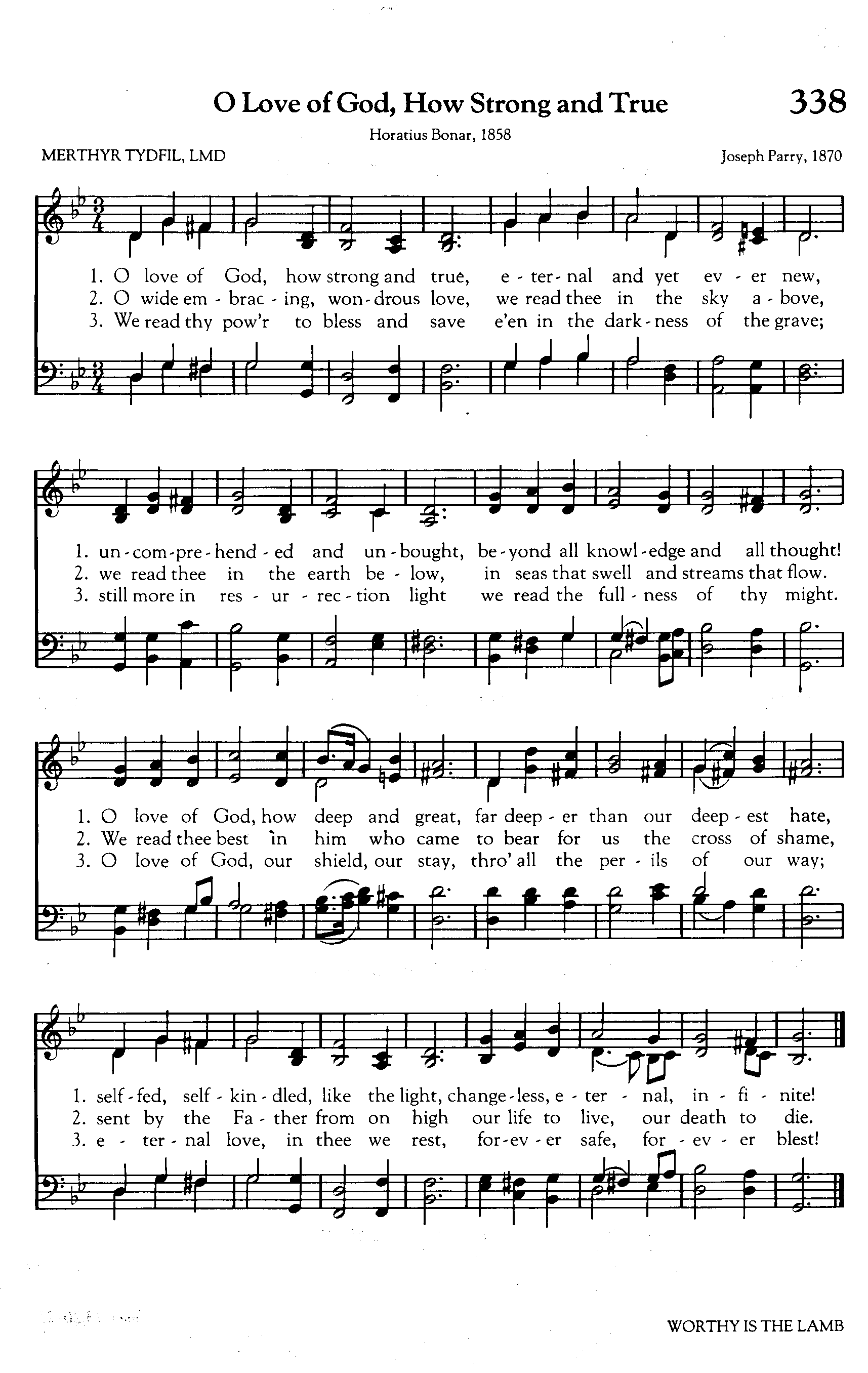
13 more related hymns below in the sheet gallery.
Related Hymn Sheets
3 shown at a time — use the arrows to browse all 21 sheets.
Related Authors
Writers connected to this dictionary topic.
Keywords
Related terms for this dictionary entry.
Recent Dictionary Entries
Newly added terms from the Dictionary of Hymnology.
If you notice any mistake or have suggestions, please contact us on our contact page.