

Top 20 Hymns About Glorifying and Worshippin…
Feb 20, 2026
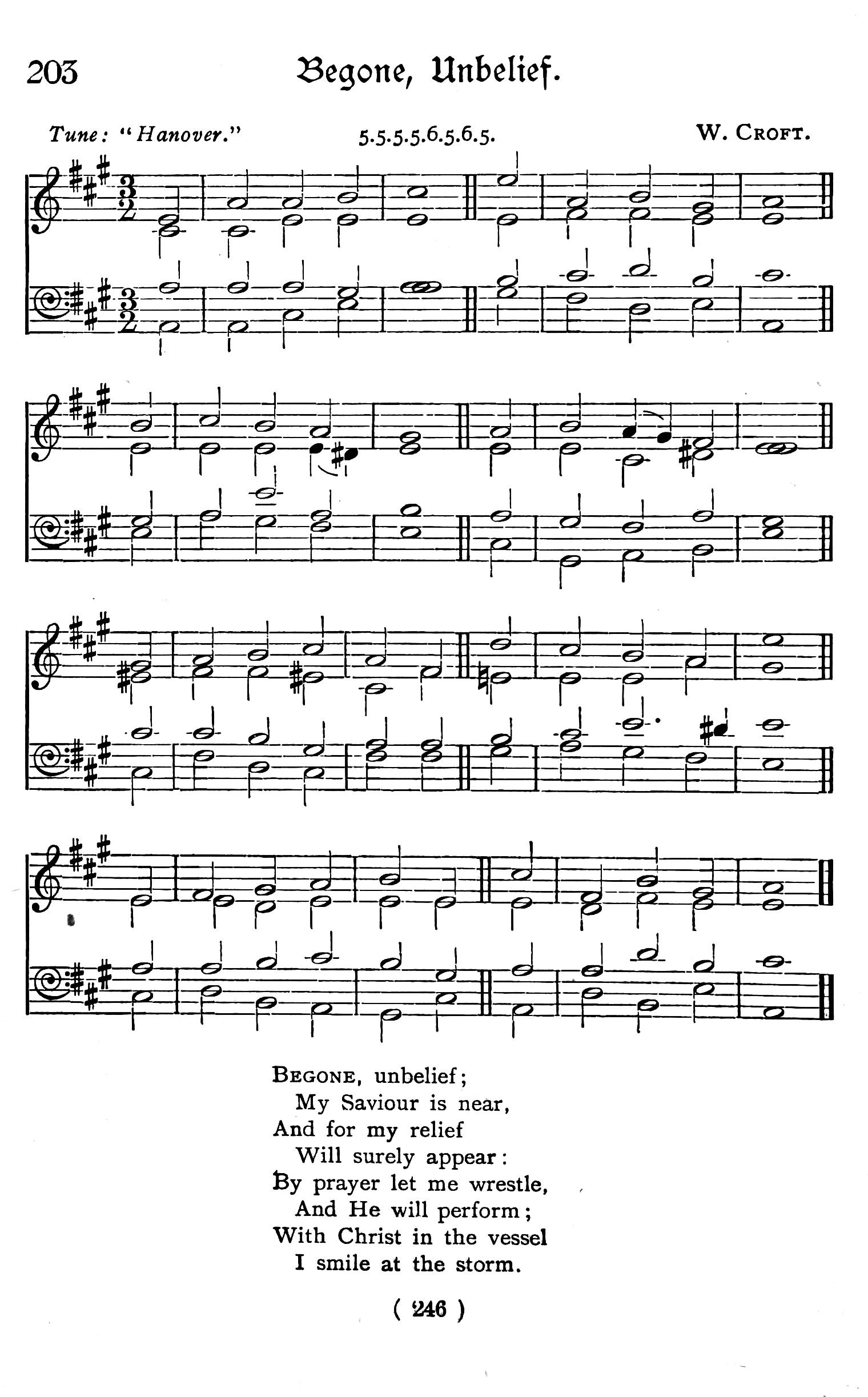
I Will Trust and Not Be Afraid
By John Newton
Lyrics
1. While fear hints, "There's something God will deny,"
"No good thing" is faith's decisive reply;
Whate'er HE withholds is most wisely denied;
How full is the promise, "The Lord will provide."
"No good thing" is faith's decisive reply;
Whate'er HE withholds is most wisely denied;
How full is the promise, "The Lord will provide."
2. Begone, unbelief, my Saviour is near,
And for my relief will shortly appear;
By faith let me wrestle, and he will perform;
With Christ in the vessel, I smile at the storm.
And for my relief will shortly appear;
By faith let me wrestle, and he will perform;
With Christ in the vessel, I smile at the storm.
3. His love in time past forbids me to think
He’ll leave me at last in trouble to sink;
Each sweet Ebenezer I have in review
Confirms his good pleasure to help me quite through.
He’ll leave me at last in trouble to sink;
Each sweet Ebenezer I have in review
Confirms his good pleasure to help me quite through.
4. Why should I complain of want or distress,
Temptation or pain? He told me no less;
The heirs of salvation, I know from His Word,
Thru much tribulation must follow the Lord.
Temptation or pain? He told me no less;
The heirs of salvation, I know from His Word,
Thru much tribulation must follow the Lord.
5. Tho' troubles assail, and dangers affright,
Tho' friends should all fail and foes all unite,
Yet one thing secures us, whatever betide,
The Scriptures assure us the Lord will provide.
Tho' friends should all fail and foes all unite,
Yet one thing secures us, whatever betide,
The Scriptures assure us the Lord will provide.
Bible Reference
Isaiah 12:2; Psalm 56:3-4; Hebrews 13:6; 2 Timothy 1:7
About This Hymn
“I Will Trust and Not Be Afraid” reflects the pastoral and experiential theology of John Newton, the former slave trader who became an Anglican minister and hymn writer. The title echoes Isaiah 12:2, “Behold, God is my salvation; I will trust, and not be afraid: for the LORD JEHOVAH is my strength and my song; he also is become my salvation” (KJV). This verse captures the heart of the hymn: confidence in God rooted in His saving character.
Newton’s hymns often grew out of personal experience, and this theme of trust in the midst of fear appears repeatedly in his ministry. Having known spiritual darkness, danger at sea, and the burden of guilt prior to his conversion, Newton understood fear deeply. Yet his writing consistently points believers away from self-reliance and toward the sufficiency of Christ. Trust is not presented as a human achievement, but as the fruit of knowing God’s faithfulness.
Psalm 56:3-4 declares, “What time I am afraid, I will trust in thee.” The hymn reflects this honest realism. Fear is acknowledged, not denied. The Christian life includes seasons of uncertainty, trial, and inward struggle. However, the remedy for fear is not self-confidence but confidence in God’s promises. Newton emphasizes that faith rests on the unchanging Word of God.
Hebrews 13:6 says, “The Lord is my helper, and I will not fear what man shall do unto me.” This assurance likely informs the hymn’s tone. Whether facing persecution, hardship, or personal affliction, the believer’s courage arises from divine presence. Newton’s theology stresses the sovereignty of God, meaning that nothing enters the believer’s life apart from the Lord’s wise permission.
Second Timothy 1:7 reminds believers that “God hath not given us the spirit of fear; but of power, and of love, and of a sound mind.” The hymn aligns with this promise, encouraging steadfast reliance upon Christ rather than surrender to anxiety.
“I Will Trust and Not Be Afraid” is fitting for times of personal trial, congregational prayer, and seasons of uncertainty. Its message is simple yet profound: the believer’s safety is found not in favorable circumstances, but in the character and promises of God. Through faith in Christ, fear is displaced by quiet confidence, and the soul rests securely in divine salvation.

📬 Subscribe to Our Devotional Updates
Receive weekly hymns, devotionals, and website features directly in your inbox.
✅ Thank you! You'll start receiving our updates soon.
⭐ Recommend This Hymn
Share this beautiful hymn with others
This hymn is found in these hymnals
Open the hymnal that contains this hymn:
Latest Updated Hymnals
-
Open
 Advent Hymn Book (AHB1854)Updated Feb 25, 2026 · 1854
 -
Open
 The Seventh-day Adventist HymnalUpdated Feb 25, 2026 · 1985
 -
Open
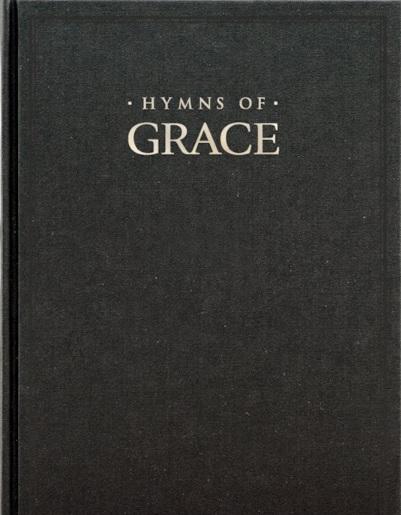 Hymn of GraceUpdated Feb 25, 2026 · 2015
 -
Open
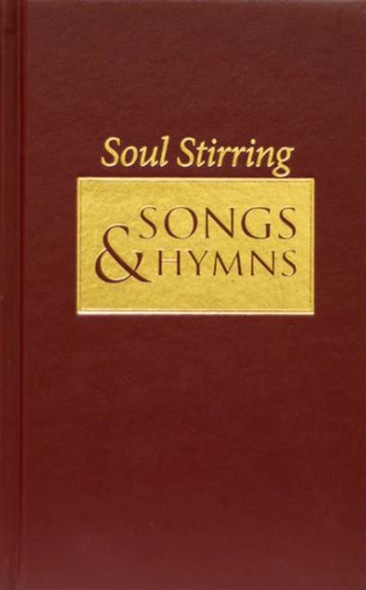 Soul-Stirring Songs & HymnsUpdated Feb 25, 2026 · 1989
 -
Open
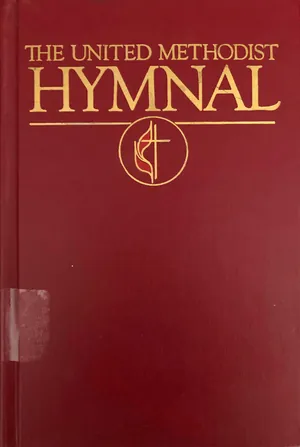 The United Methodist Hymnal (UMH)Updated Feb 21, 2026 · 1989
Hymn Information
- Category: Hymn
- Tune: HANOVER
- Composer(s): William Croft
- Meter: 10.10.11.11
- Author/Writer: John Newton (1779)
- Added: February 25, 2026
- Last Updated: February 25, 2026
- Views: 19
To view the author's biography, click their name above.
MIDI File
Ready to load
Download MIDI
Popular Hymns
Recent Blog Posts


Popular Blog Posts



Visit Us on Social Media
Latest from X (Twitter)
Tweets by HymnalLibraryLatest from Facebook
Latest on YouTube
Loading latest video...
Daily Bible Verse
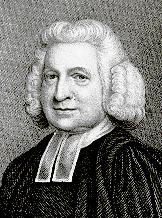
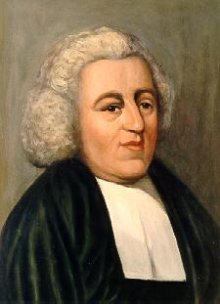
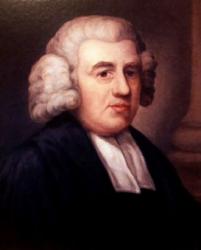 John Newton (1725–1807) was an English Anglican cleric, hymn writer, and prominent figure in the evangelical movement whose life story of conversion and service has inspired Christians for centuries. He was born in Wapping, London, England, on July 24, 1725, into a Christian home, but his mother died when he was young, and he went to sea with his father at age eleven. As a youth and young man he lived a reckless life at sea, was pressed into service in the Royal Navy, and later worked aboard slave ships in the trans-Atlantic slave trade, even becoming a ship’s captain for years. A severe storm at sea in 1748 led him to cry out to God and marked the beginning of his spiritual turning toward Christ, a change that grew more fully over subsequent years.
Disclaimer
The hymns, sheet music, MIDI files, and related content on this website are provided for educational and research purposes only.
- Public Domain: Many of the hymns featured here are in the public domain and may be freely used.
- Copyrighted Works: Some hymns may still be under copyright protection. Where applicable, permission has either been requested from the copyright owner, or the content is shared under the principles of fair use for educational purposes.
⚠️ Important Notice: If you wish to reproduce, distribute, or use any copyrighted hymn beyond personal study or educational use, you must obtain permission directly from the copyright holder. This website does not grant any rights for commercial use yet.
If there is any other question please address it to us in our Contact Page, for further assistance. Thank you for using the site. May God Bless You.