





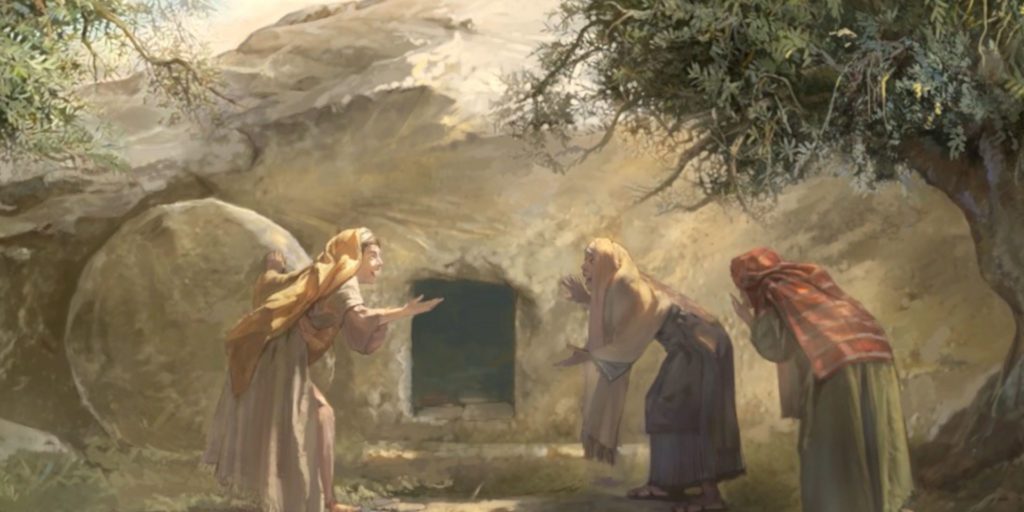
13 Traditional Hymns for Easter Sunday
Mar 12, 2026
Zacchaeus Climbed the Tree
By John Newton
Lyrics
1. . Zacchaeus climbed the tree
And thought himself unknown,
But how surprised was he
When Jesus called him down!
The Lord beheld him, tho' concealed,
And by a word his pow'r revealed.
And thought himself unknown,
But how surprised was he
When Jesus called him down!
The Lord beheld him, tho' concealed,
And by a word his pow'r revealed.
2. . Wonder and joy at once
Were painted on his face.
Does he my name pronounce?
And does he know my case?
Will Jesus deign with me to dine?
Lord, I, with all I have, am thine!
Were painted on his face.
Does he my name pronounce?
And does he know my case?
Will Jesus deign with me to dine?
Lord, I, with all I have, am thine!
3. . Thus where the gospel's preached,
And sinners come to hear,
The hearts of some are reached
Before they are aware;
The word directly speaks to them
And seems to point them out by name.
And sinners come to hear,
The hearts of some are reached
Before they are aware;
The word directly speaks to them
And seems to point them out by name.
4. . 'Tis curiosity
Oft brings them in the way
The spectacle to see,
And hear what we can say,
But how the sinners start to find
The Savior knows their inmost mind.
Oft brings them in the way
The spectacle to see,
And hear what we can say,
But how the sinners start to find
The Savior knows their inmost mind.
5. . Their long-forgotten faults
Are brought again in view
And all their secret thoughts
Revealed in public, too;
Though compassed with a crowd about,
The searching word has found them out.
Are brought again in view
And all their secret thoughts
Revealed in public, too;
Though compassed with a crowd about,
The searching word has found them out.
6. . While thus distressing pain
And sorrow fills their hearts,
They hear a voice again
That bids their fears depart,
Then like Zacchaeus they are blest,
And Jesus deigns to be their guest.
And sorrow fills their hearts,
They hear a voice again
That bids their fears depart,
Then like Zacchaeus they are blest,
And Jesus deigns to be their guest.
Bible Reference
Luke 19:2-4
About This Hymn
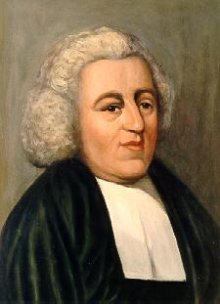
John Newton was born in London, England, in 1725. Though he grew up in a Christian home, his mother, a godly influence in his early life, passed away when he was only seven. By the age of eleven, he had joined his father at sea, beginning a turbulent life marked by reckless adventures and moral waywardness. His youth at sea included a severe punishment for attempting to desert the Royal Navy and a period of captivity under a slave trader in West Africa. Following his escape, Newton himself captained a slave ship, immersing fully in the trade he would later renounce.
Several pivotal experiences led to his spiritual awakening. In 1748, a near-drowning incident profoundly shook him, awakening a desire for God’s mercy. His friendship with Mary Catlett, a deeply pious woman whom he married in 1750, provided additional spiritual influence. Reading Thomas à Kempis’ Imitation of Christ also stirred in him a longing for a transformed life. By 1754, Newton had abandoned the slave trade and, in partnership with William Wilberforce, became a passionate advocate for abolition. His later life combined pastoral ministry with tireless work for social and spiritual reform, leaving a legacy that has inspired countless Christians.

📬 Subscribe to Our Devotional Updates
Receive weekly hymns, devotionals, and website features directly in your inbox.
✅ Thank you! You'll start receiving our updates soon.
⭐ Recommend This Hymn
Share this beautiful hymn with others
Latest Updated Hymnals
Hymn Information
- Category: Hymn
- Author/Writer: John Newton (1754)
- Added: October 15, 2025
- Last Updated: October 15, 2025
- Views: 919
To view the author's biography, click their name above.
MIDI File
Ready to load
Download MIDI
Popular Hymns
Recent Blog Posts


Popular Blog Posts



Visit Us on Social Media
Latest from X (Twitter)
Tweets by HymnalLibraryLatest from Facebook
Latest on YouTube
Loading latest video...
Daily Bible Verse
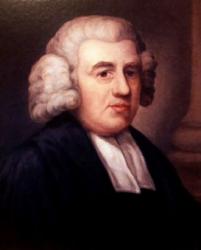 John Newton (1725–1807) was an English Anglican cleric, hymn writer, and prominent figure in the evangelical movement whose life story of conversion and service has inspired Christians for centuries. He was born in Wapping, London, England, on July 24, 1725, into a Christian home, but his mother died when he was young, and he went to sea with his father at age eleven. As a youth and young man he lived a reckless life at sea, was pressed into service in the Royal Navy, and later worked aboard slave ships in the trans-Atlantic slave trade, even becoming a ship’s captain for years. A severe storm at sea in 1748 led him to cry out to God and marked the beginning of his spiritual turning toward Christ, a change that grew more fully over subsequent years.
Disclaimer
The hymns, sheet music, MIDI files, and related content on this website are provided for educational and research purposes only.
- Public Domain: Many of the hymns featured here are in the public domain and may be freely used.
- Copyrighted Works: Some hymns may still be under copyright protection. Where applicable, permission has either been requested from the copyright owner, or the content is shared under the principles of fair use for educational purposes.
⚠️ Important Notice: If you wish to reproduce, distribute, or use any copyrighted hymn beyond personal study or educational use, you must obtain permission directly from the copyright holder. This website does not grant any rights for commercial use yet.
If there is any other question please address it to us in our Contact Page, for further assistance. Thank you for using the site. May God Bless You.