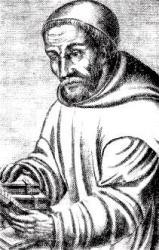
Piotr Skarga
Biography
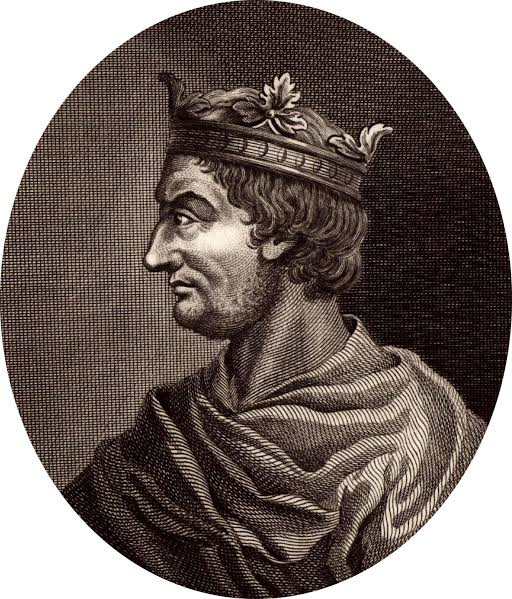
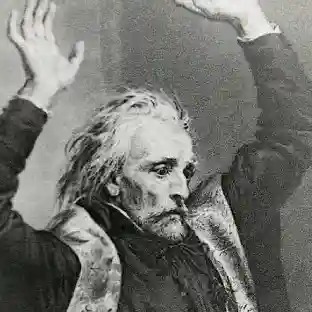
Piotr Skarga (1536–1612), born Piotr Powęski (and often referred to as Piotr Skarga Pawęzki), was a monumental figure in Polish history. He was a Jesuit theologian, a brilliant Counter-Reformation polemicist, the court preacher to King Sigismund III Vasa, and one of the most celebrated prose stylists in the history of the Polish language. While his primary legacy rests on his fiery political-theological treatises and his immense influence on the Polish-Lithuanian Commonwealth, hymnology honors him as the traditionally attributed author of Poland's most beloved, enduring Christmas Carol: "W żłobie leży" ("Infant Holy, Infant Lowly").
Early Life, Education, and the Jesuit Mission
Skarga was born in Grójec, near Warsaw, in 1536. He was educated at the prestigious Jagiellonian University in Kraków, where he completed his studies in 1555. After a period serving as a tutor to noble families and being ordained as a diocesan priest, Skarga traveled to Rome in 1568. There, deeply impressed by the zeal and intellectual rigor of the newly formed Society of Jesus, he entered the Jesuit novitiate.
Returning to Poland, Skarga became a dynamic engine for the Catholic Counter-Reformation. He founded several Jesuit colleges across Eastern Europe, including the University of Vilnius (Vilna) in Lithuania, where he served as its first rector. In 1588, his peerless rhetorical skill earned him the position of court preacher to King Sigismund III Vasa. From the royal pulpit, Skarga delivered his historic Kazania sejmowe ("Sermons Before the Sejm"), a collection of brilliant, prophetic speeches in which he fiercely criticized the Polish nobility for their political anarchism, warned of the looming collapse of the Commonwealth, and advocated for the defense of the poor.
Global Hymnic Masterwork: "W żłobie leży" / "Infant Holy, Infant Lowly"
Though Skarga was primarily a prose writer and a statesman, hymnologists and Polish tradition firmly attribute to him the lyrics of "W żłobie leży" ("In the Manger He Lies"). It was first published anonymously in a Polish Jesuit hymnal in the early 17th century, heavily associated with Skarga's pastoral work and theatrical Nativity plays.
The hymn holds a unique, dual legacy across the world:
-
In Poland: The text is universally recognized as a national treasure. It was intentionally set to a majestic, sweeping $3/4$ meter melody derived from a traditional Polish polonaise—the elegant royal dance of the Polish court. The lyrics capture the raw, rustic joy of the Nativity, asking, "W żłobie leży! Któż pobieży kolędować Małemu?" ("He lies in the manger! Who will run to sing carols to the Little One?").
-
In the English-Speaking World: In 1920, the renowned English scholar and translator Edith Margaret Gellibrand Reed (1885–1933) discovered the Polish carol. Fascinated by its distinct, skipping rhythm and infectious warmth, she loosely paraphrased the text into English, creating "Infant Holy, Infant Lowly."
Reed perfectly captured the rhythmic internal rhymes of the Polish original ("lowly / holy," "cattle / rattle"), fashioning an echo-like effect that became an instant global favorite. Set to the traditional Polish polonaise melody (renamed W ŻŁOBIE LEŻY in Western hymnals), the carol is celebrated for its concise, punchy poetic structure:
"Infant holy, infant lowly,
For His bed a cattle stall;
Oxen lowing, little knowing
Christ the Babe is Lord of all."
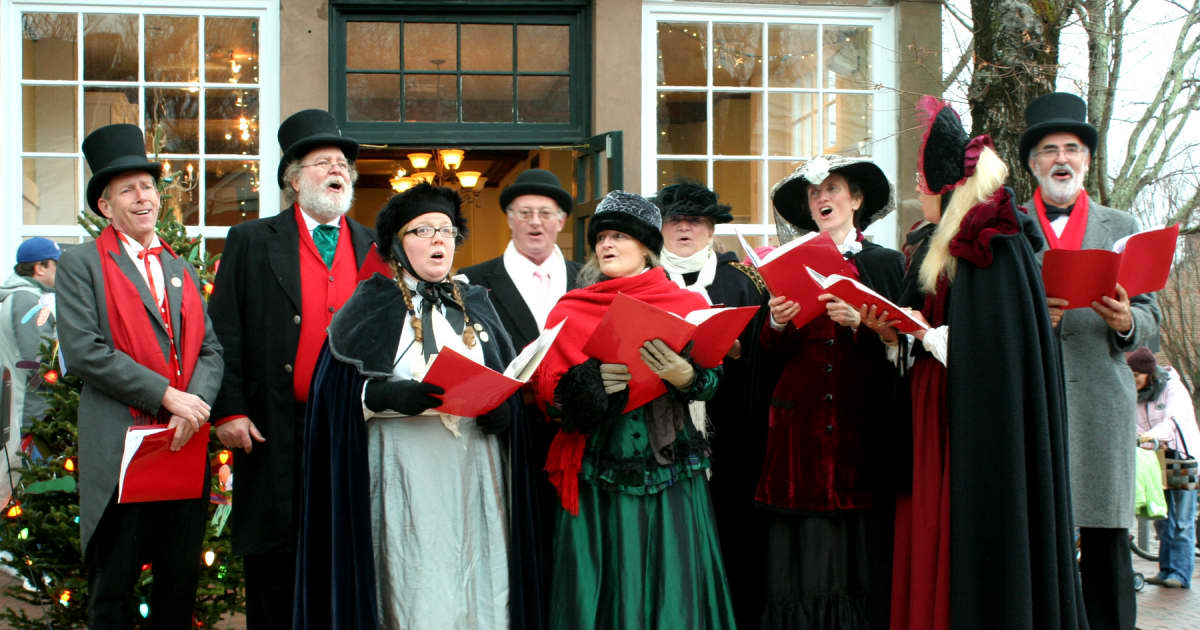
Today, Skarga's attributed text features prominently in nearly every major international Christmas compilation, serving as a staple for the famous Festival of Nine Lessons and Carols.
Death and Legacy
Skarga passed away on September 27, 1612, in Kraków and was buried in the crypt of the magnificent Church of Saints Peter and Paul. In Poland, he is remembered alongside figures like Adam Mickiewicz as a national prophet whose literature shaped the soul of a country. In the wider world, his enduring monument is a tender, rhythmic lullaby that invites the global church to stand in awe before a cold stone manger, celebrating the King of Kings born in a cattle stall.
Hymns by Piotr Skarga
Includes hymns they wrote and hymns where they are credited as co-author, translator, paraphraser, or adapter.
| # | Title | Year | Views | |
|---|---|---|---|---|
| 1 | Infant Holy, Infant Lowly | 1921 | 2458 | View |
Recently added hymns
Suggestions or corrections: contact us.
Leave it in the forum for others to answer — hymn requests, lyrics help, writers, worship planning, and more.