Phoebe Palmer
Biography
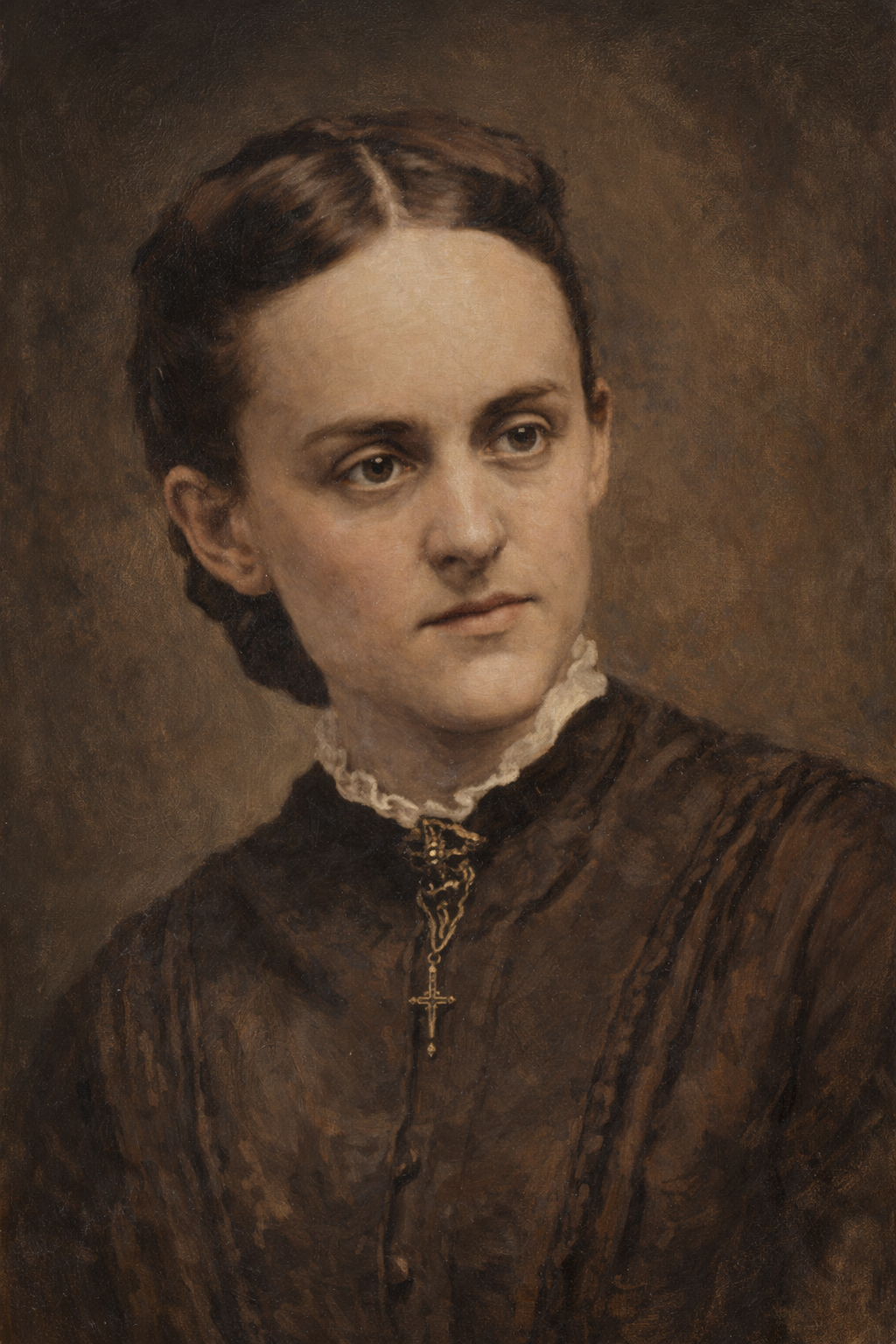
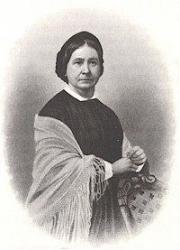
Phoebe Palmer Knapp (1839–1908) was a brilliant 19th-century American composer, musician, and philanthropist whose creative output left an indelible mark on the landscape of American gospel music. Born in New York City, she was raised in the epicenter of the 19th-century holiness movement. Her parents, Walter C. and Phoebe Palmer, were world-renowned Methodist evangelists whose famous "Tuesday Meeting for the Promotion of Holiness" attracted thousands of believers, theologians, and reformers to their home for nearly fifty years. Immersed in this deeply musical and spiritually fervent environment, young Phoebe displayed a prodigious musical talent, composing and performing complex children's melodies at a very early age.
At the age of sixteen, she married John Fairfield Knapp, a savvy businessman who would go on to co-found and serve as president of the Metropolitan Life Insurance Company. The marriage propelled Phoebe into a life of immense wealth and high societal standing in New York. Instead of fading into quiet aristocracy, however, she transformed her home into a vibrant center for sacred artistry. She purchased one of the largest pipe organs in any private American residence, utilizing it to write music and host prominent religious figures of the Gilded Age. Following her husband's death, Mrs. Knapp dedicated her vast inherited fortune to charity, systematically distributing her wealth to orphanages, city missions, and various religious organizations while living a modest personal life.
As a composer, Knapp was exceptionally prolific, publishing more than five hundred distinct gospel tunes. Her most enduring classical art song, "Open the Gates of the Temple" (1892), became a staple for professional soloists and large church choirs on Easter Sunday across America.
Her crowning, permanent legacy to the global church, however, is the composition of the tune ASSURANCE for the iconic hymn "Blessed Assurance, Jesus is mine!" (1873). The history behind this masterpiece highlights her spontaneous creative genius. Knapp was close friends with the legendary, blind hymnwriter Fanny Crosby. One afternoon, Knapp visited Crosby's apartment with a brand-new, lilting melody ringing in her head. Lacking a pen and paper, Knapp sat down at the piano and played the tune over a few times for Crosby, asking her, "Fanny, what does this tune say to you?"
Crosby immediately responded, "It says, 'Blessed assurance, Jesus is mine! Oh, what a foretaste of glory divine!'"
Knapp’s sweeping, joyful, triple-meter melody perfectly matched Crosby’s ecstatic, conversational verse. The hymn was quickly published and exploded into global popularity through the mass revivals of Moody and Sankey. Today, it remains one of the most widely translated and frequently sung Christian hymns in human history.
Knapp passed away on July 10, 1908, while visiting Poland Springs, Maine. She left behind a legacy as a woman who used both her monumental financial privilege and her natural musical genius to build up the church, giving corporate worship a vibrant, melodic vocabulary of absolute confidence and spiritual joy.
Hymns by Phoebe Palmer
Includes hymns they wrote and hymns where they are credited as co-author, translator, paraphraser, or adapter.
| # | Title | Year | Views | |
|---|---|---|---|---|
| 1 | The Cleansing Wave | 1872 | 1677 | View |
| 2 | Watch, Ye Saints | 1839 | 1165 | View |
Recently added hymns
Suggestions or corrections: contact us.
Leave it in the forum for others to answer — hymn requests, lyrics help, writers, worship planning, and more.