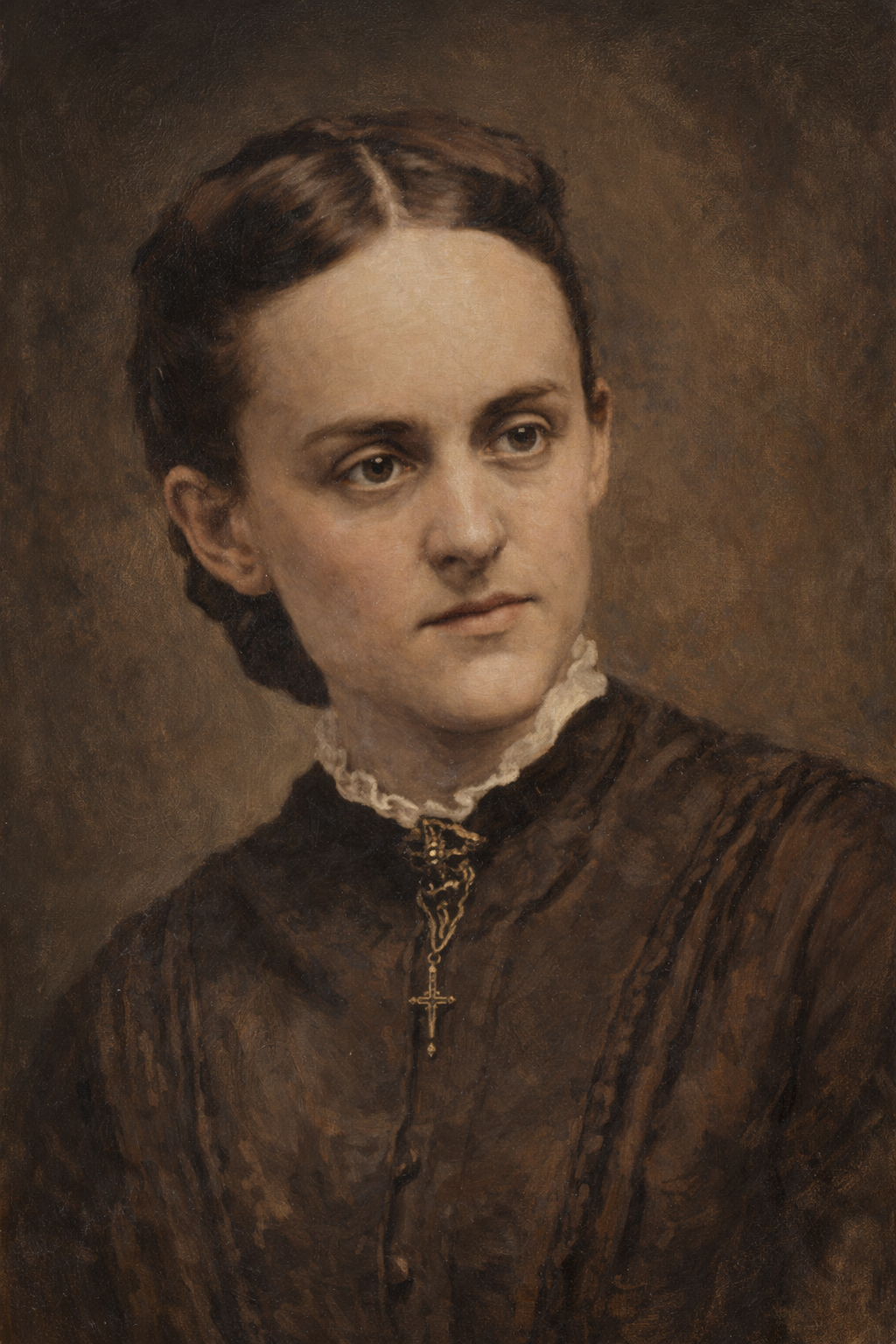
Mary Lundie Duncan
Biography
Mary Lundie Duncan was a Scottish poet and hymn writer whose brief life left a tender and enduring mark on children's liturgy. Born in Kelso in 1814, she was the daughter of the local parish minister and grew up in a household deeply involved in the spiritual and social reforms of the era. In 1836, she married the Reverend William Wallace Duncan, whose father, Dr. Henry Duncan, was famous as the founder of the savings bank movement. Her life as a minister’s wife in Ruthwell was spent in quiet service, but it was in her role as a mother that she produced the works for which she is still remembered today.
The majority of her hymns were composed in the final months of her life, between July and December 1839. These verses were not originally intended for public worship but were written specifically as "Rhymes for My Children" to teach them the fundamentals of faith in a gentle, accessible way. Tragically, after contracting a severe chill in late 1839, she passed away in January 1840 at the age of twenty-five. Following her death, her mother published her Memoir in 1841, which included these poems, leading to their separate publication in 1842.
Her most famous contribution to hymnody is the beloved evening prayer, "Jesus, Tender Shepherd, Hear Me." This hymn became a standard nursery prayer across the English-speaking world, cherished for its simple, rhythmic assurance of divine protection. Another of her widely recognized works is "My Saviour, Be Thou Near Me," which similarly reflects her "childlike" trust and her ability to articulate a sense of peace and security in Christ. Her style was noted for its lack of complex theological jargon, focusing instead on the immediate, comforting presence of the Savior.
Mary Lundie Duncan’s legacy is a poignant reminder of the impact of the "domestic" hymn. While many of her contemporaries were writing grand anthems for cathedrals and revival tents, Duncan’s verses were designed for the bedside and the family circle. Through the posthumous efforts of her mother and the enduring popularity of her nursery rhymes, her voice continued to shape the early spiritual experiences of generations of children long after her early departure.
Hymns by Mary Lundie Duncan
Includes hymns they wrote and hymns where they are credited as co-author, translator, paraphraser, or adapter.
| # | Title | Year | Views | |
|---|---|---|---|---|
| 1 | Jesus, Tender Shepherd, Hear Me | 1839 | 1429 | View |
Recently added hymns
Suggestions or corrections: contact us.
Leave it in the forum for others to answer — hymn requests, lyrics help, writers, worship planning, and more.