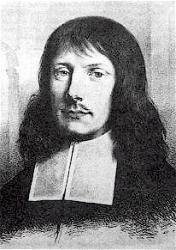
About John Greenleaf Whittier
John Greenleaf Whittier’s transition from a farm boy in Haverhill to one of America’s most revered "Fireside Poets" is a testament to the power of the written word as a tool for social transformation. His early life, marked by the physical rigors of shoemaking and agricultural labor, instilled in him a profound empathy for the working class and a gritty realism that balanced his naturally contemplative Quaker spirit. This unique background allowed him to bridge the gap between the intellectual circles of New England and the everyday experiences of the common person. When he turned his attention to journalism and poetry, he did not merely seek aesthetic beauty; he sought to challenge the moral conscience of a nation deeply divided by the institution of slavery. His work as an editor for various anti-slavery publications was often dangerous and professionally taxing, yet it solidified his reputation as a writer whose ink was fueled by a relentless pursuit of justice.
In the realm of hymnody, Whittier occupies a paradoxical space, as he never considered himself a songwriter and claimed to possess no musical ability. Despite this, his poetry contains a rhythmic and spiritual depth that editors found irresistible for congregational use. By extracting specific stanzas from his longer narrative poems—a process known as creating "centos", hymnologists were able to distill his broad theological reflections into intimate, singable prayers. These verses often emphasize the Quaker concept of the "Inner Light," focusing on the quiet, internal experience of the Divine rather than outward ritual or dogma. His most famous hymn, "Dear Lord and Father of Mankind," serves as a quintessential example of this, calling for the "still small voice of calm" to rise above the feverish pace and "foolish ways" of modern life.
The enduring legacy of Whittier’s hymns lies in their ability to unite personal devotion with a communal social conscience. His verses do not merely ask for personal peace; they frequently advocate for "the brotherhood of man" and the recognition of God’s presence in the suffering and the marginalized. This dual focus on internal tranquility and external activism made his work a cornerstone for liberal denominations, particularly the Unitarians and Congregationalists. Even as he aged and his writing shifted toward more reflective themes of mortality and the "Eternal Goodness," he remained a voice of steady hope. Today, his contributions stand as a bridge between the fiery abolitionist rhetoric of the mid-19th century and the serene, mystical traditions of the Friends, proving that poetry written for the page can find its most profound expression when lifted in song by a community.
From the Dictionary of Hymnology
Related terms and topics automatically matched to this author.
American Hymnody History
Comprehensive survey of the history, development, denominational collections, and principal hymnists of American hymnody prior to and during the nineteenth century.
Read more