

Easter vs Passover: How a Biblical Feast Bec…
Mar 27, 2026
A Debtor to Mercy
Lyrics
1. A debtor to mercy alone,
of covenant mercy I sing;
nor fear, with Your righteousness on,
my person and off'ring to bring.
The terrors of law and of God
with me can have nothing to do;
my Savior's obedience and blood
hide all my transgressions from view.
of covenant mercy I sing;
nor fear, with Your righteousness on,
my person and off'ring to bring.
The terrors of law and of God
with me can have nothing to do;
my Savior's obedience and blood
hide all my transgressions from view.
2. The work which His goodness began,
the arm of His strength will complete;
His promise is yea and amen,
and never was forfeited yet.
Things future, nor things that are now,
nor all things below or above,
can make Him His purpose forgo,
or sever my soul from His love.
the arm of His strength will complete;
His promise is yea and amen,
and never was forfeited yet.
Things future, nor things that are now,
nor all things below or above,
can make Him His purpose forgo,
or sever my soul from His love.
3. My name from the palms of His hands
eternity will not erase;
impressed on His heart it remains,
in marks of indelible grace.
Yes, I to the end shall endure,
as sure as the earnest is giv'n;
more happy, but not more secure,
the glorified spirits in heav'n.
eternity will not erase;
impressed on His heart it remains,
in marks of indelible grace.
Yes, I to the end shall endure,
as sure as the earnest is giv'n;
more happy, but not more secure,
the glorified spirits in heav'n.
Bible Reference
Romans 3:24; Romans 8:1; Ephesians 2:8-9; Titus 3:5; Hebrews 7:25; John 10:27-29
About This Hymn
A Debtor to Mercy Alone is one of the clearest and most theologically precise hymn texts ever written on the doctrine of salvation by grace alone. Composed by Augustus Montague Toplady, a strong defender of Reformed theology, the hymn is a personal confession of faith that magnifies God’s sovereign mercy while firmly excluding human merit. From its opening line, the hymn declares that salvation rests entirely upon God’s mercy, not on the believer’s works, feelings, or perseverance. This aligns directly with the apostolic teaching that believers are “justified freely by his grace” (Romans 3:24, KJV).
The hymn powerfully addresses assurance of salvation. Toplady does not ground assurance in human obedience or emotional stability, but in the finished work and ongoing intercession of Christ. Lines that speak of Christ’s blood and righteousness echo the biblical truth that there is “no condemnation to them which are in Christ Jesus” (Romans 8:1, KJV). The believer’s confidence is anchored in what Christ has done and continues to do, not in fluctuating spiritual performance. This makes the hymn especially valuable for believers struggling with doubt, fear, or an overactive conscience.
Another notable strength of the hymn is its rejection of salvation by works. Toplady clearly affirms that salvation is “not by works of righteousness which we have done” (Titus 3:5, KJV), but entirely the gift of God. This places the hymn squarely within the biblical doctrine of grace as taught in Ephesians 2:8-9. The believer is portrayed as a debtor, not to law-keeping or personal holiness as a means of acceptance, but to mercy alone. Holiness, in this framework, flows from gratitude rather than fear.
In congregational worship, A Debtor to Mercy Alone serves as both a confession of faith and a declaration of gospel clarity. It comforts the believer with the security of Christ’s saving work and exalts God as the sole author and finisher of salvation. By directing all glory to God and all hope to Christ, the hymn continues to stand as a timeless testimony to the sufficiency of grace and the certainty of redemption for all who are in Him (John 10:27-29, KJV).


📬 Subscribe to Our Devotional Updates
Receive weekly hymns, devotionals, and website features directly in your inbox.
✅ Thank you! You'll start receiving our updates soon.
⭐ Recommend This Hymn
Share this beautiful hymn with others
This hymn is found in these hymnals
Open the hymnal that contains this hymn:
Latest Updated Hymnals
Hymn Information
- Category: Hymn
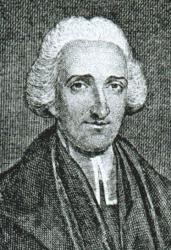
- Author/Writer: Augustus Toplady (1771)
- Added: January 29, 2026
- Last Updated: January 29, 2026
- Views: 379
To view the author's biography, click their name above.
MIDI File
Ready to load
Download MIDI
More Hymns by Augustus Toplady
Popular Hymns
Recent Blog Posts



Popular Blog Posts





Visit Us on Social Media
Latest from X (Twitter)
Tweets by HymnalLibraryLatest from Facebook
Latest on YouTube
Loading latest video...
Daily Bible Verse
Disclaimer
The hymns, sheet music, MIDI files, and related content on this website are provided for educational and research purposes only.
- Public Domain: Many of the hymns featured here are in the public domain and may be freely used.
- Copyrighted Works: Some hymns may still be under copyright protection. Where applicable, permission has either been requested from the copyright owner, or the content is shared under the principles of fair use for educational purposes.
⚠️ Important Notice: If you wish to reproduce, distribute, or use any copyrighted hymn beyond personal study or educational use, you must obtain permission directly from the copyright holder. This website does not grant any rights for commercial use yet.
If there is any other question please address it to us in our Contact Page, for further assistance. Thank you for using the site. May God Bless You.