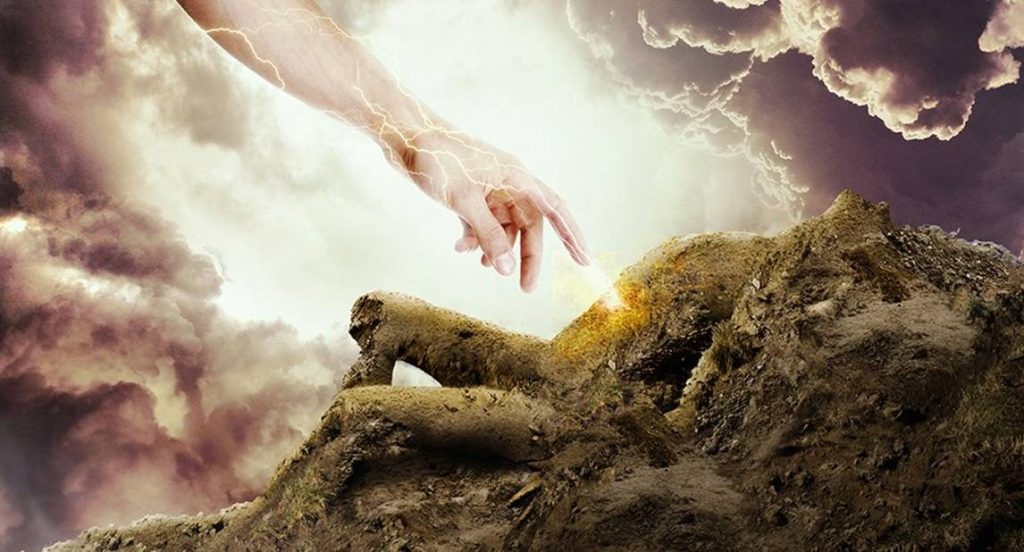
What Does It Mean That Humans Are Made in the Image of God?
The Bible teaches that humanity is not an accident of nature and not merely a biological organism. Human beings are created with a unique identity, value, and calling because God made them in His own image. This sets humanity apart from all other creatures and explains why every human life matters.
To say that humans are made in the image of God means first that we reflect something of God’s character and nature in a way no other creature does. God is personal, relational, moral, and rational, and He has created humans with the capacity to think, to choose, to love, to create, and to exercise moral responsibility. Animals act by instinct, but humans are capable of conscience, moral judgment, creativity, and spiritual awareness. These qualities do not make us divine, but they show that our design points back to our Creator.
The image of God also means that human life possesses inherent worth and dignity. Our value does not come from our abilities, our social status, our intelligence, or our success. It does not depend on age, health, or usefulness to society. Human dignity is rooted in creation itself. Every person, from the unborn child to the elderly, from the rich to the poor, from the strong to the weak, bears the image of God. Because God’s image is present in every human being, every life deserves honor, protection, and respect.
Being made in God’s image also gives humans a unique calling in creation. The Bible describes humanity as entrusted with responsibility over the earth. God calls humans to rule, cultivate, care for, and steward His creation as representatives of His authority. This does not mean exploiting or abusing the world. It means reflecting God’s wisdom, justice, and care in the way we work, build societies, use resources, and treat the environment. Human labor, culture, science, art, and community life all flow from this God-given mandate.
However, Scripture also teaches that the image of God has been deeply affected by sin. The fall did not erase the image, but it distorted and damaged it. Human desires became disordered. Relationships became broken. The gift of moral responsibility was corrupted by selfishness and pride. Humanity still bears God’s image, but it is now marred and in need of renewal. This is why the world is filled with injustice, violence, cruelty, and conflict. The image remains, but it is no longer whole.
The good news is that Jesus Christ came to restore the image of God in humanity. The New Testament describes Christ as the perfect image of the invisible God, the true and flawless reflection of the Father. Where Adam failed, Jesus stands as the faithful human, living in perfect obedience to God. Through salvation, God begins the work of renewing His image in believers. By the work of the Holy Spirit, Christians are gradually transformed in character, growing in holiness, love, righteousness, and godly wisdom. The restoration of the image is part of God’s great plan of redemption.
Understanding the image of God also transforms how we treat others. Every act of kindness, justice, compassion, and respect toward another person is an acknowledgment of God’s image in them. Likewise, hatred, abuse, racism, oppression, exploitation, or violence are not only sins against people but offenses against the God whose image they bear. The doctrine of the image of God shapes ethics, social justice, relationships, and human responsibility. It reminds us that how we treat others is inseparable from how we honor God.
This truth also gives meaning to human identity and purpose. Humans are not defined primarily by culture, achievement, or self-invention. We are defined by our Creator, who made us to know Him, to reflect His character, and to live in fellowship with Him. The image of God tells us that life is not empty or random. It has direction, calling, and eternal significance. Every person is created with a purpose that finds its fulfillment in relationship with God.
To be made in the image of God is to live with dignity, accountability, and hope. It reminds us who we are, why we exist, and what God intends for humanity. Though sin has damaged the image, God’s grace restores and renews it through Christ. The doctrine calls us to honor every human life, to live responsibly before God, and to pursue the renewal of our hearts as God shapes us again into the likeness of His Son.


No comments yet. Be the first to share your thoughts!