Susanna Harrison
Biography
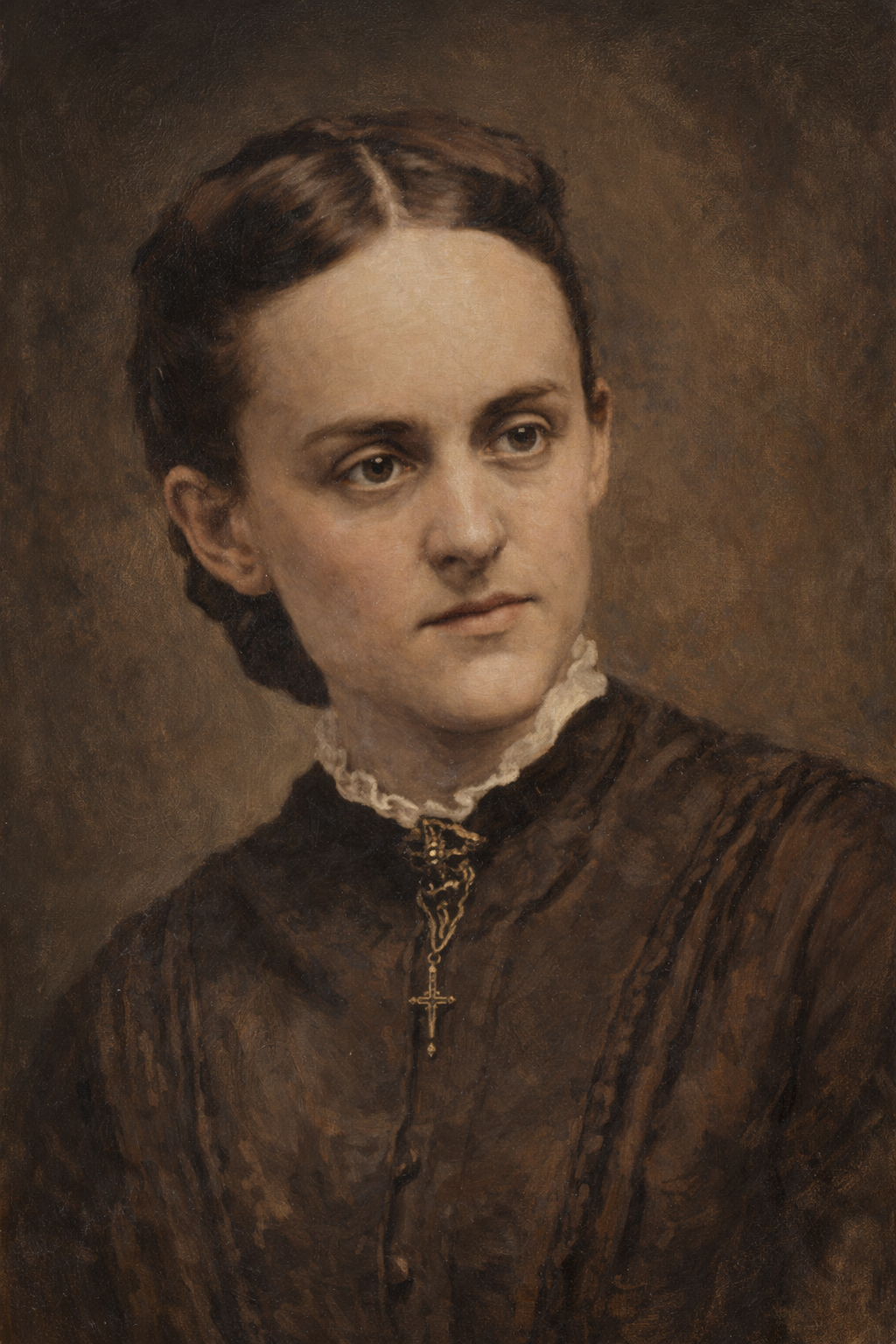
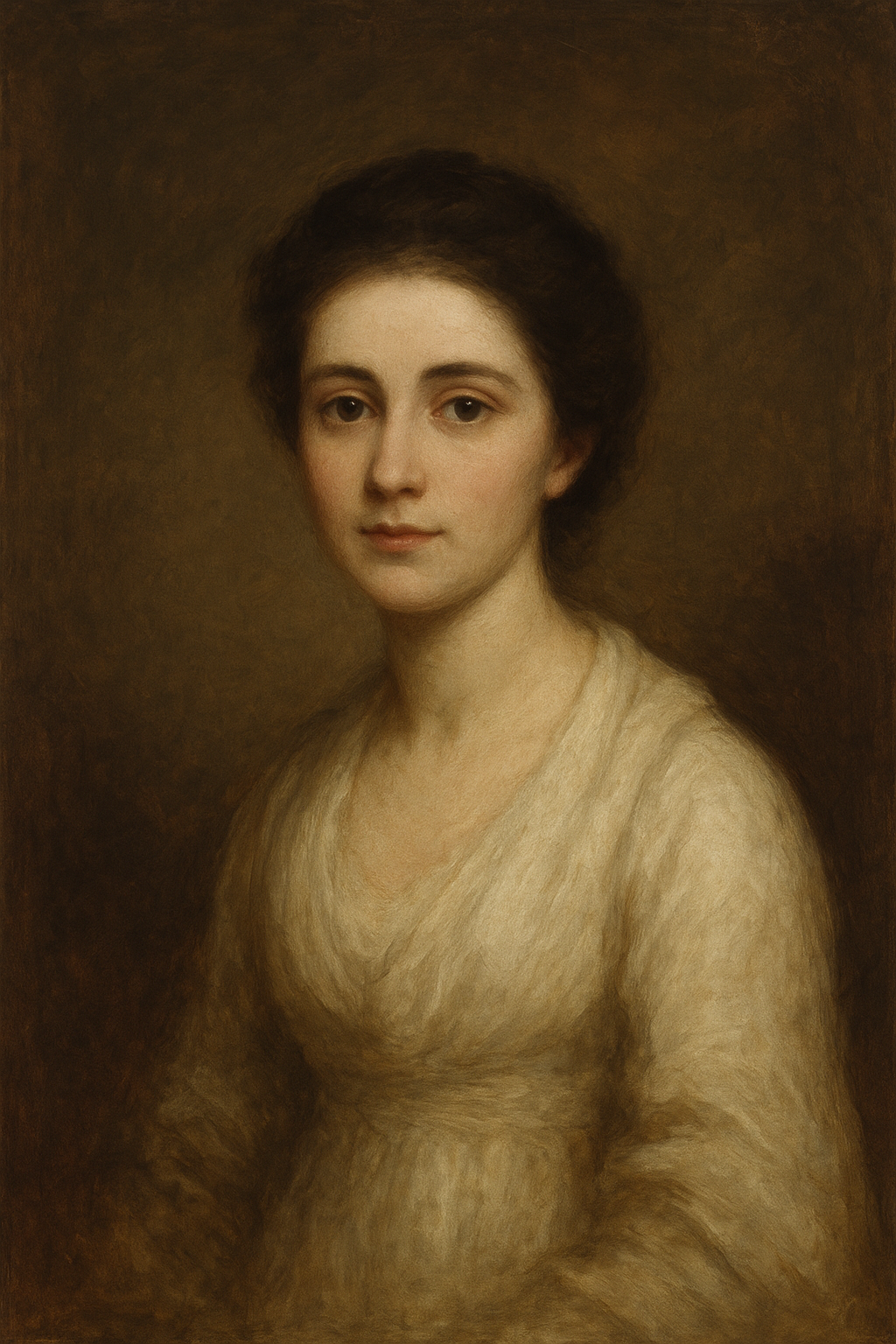
Susannah Harrison (1752–1784) was an 18th-century English domestic servant, self-taught poet, and hymn writer. Destitute, uneducated, and bedridden with a terminal illness by her early twenties, she wrote under intense physical suffering. Her single, posthumously expanded collection, Songs in the Night (1780), became an international publishing phenomenon, offering profound comfort to generations of Christians facing grief, illness, and the reality of death.
Early Hardship and the Loss of Health
Susannah Harrison was born in Ipswich, England, in 1752 into a large, impoverished family. Her childhood was defined by financial precarity; her father died while she was quite young, leaving her mother entirely unprovided for and struggling to feed the children.
With no access to formal education, Harrison was sent out to work as a domestic kitchen and house servant at just sixteen years of age to help support her family. She labored in obscurity until August 1772, when at the age of twenty, she was struck down by a catastrophic, debilitating illness—historically understood to be late-stage tuberculosis (consumption).
Unable to work, she returned to her mother's humble home. She would spend the final twelve years of her life entirely bedridden, dealing with relentless bodily pain and wasting weakness.
The Self-Taught Poet: Songs in the Night
Confined to her sickbed, Harrison sought comfort in the Scriptures. Though she entered adulthood illiterate, her profound spiritual conviction drove her to teach herself how to read and write while completely immobilized.
As she wrestled with her impending mortality, she began composing poetry and hymns. Writing became her spiritual sanctuary—a way to vocalize a joyful, unwavering faith in the midst of physical decay.
In 1780, an anonymous editor (believed to be her local parish rector) gathered her manuscripts and published them under the title:
Songs in the Night by a Young Woman under Heavy Afflictions
The title was a direct, beautiful reference to Job 35:10, which speaks of God "who giveth songs in the night." The initial edition contained 133 hymns, alongside a small handful of prose meditations. The preface introduced her to the public as "a very obscure young woman, and quite destitute of the advantages of education."
                 ┌──────────────────────────────────────┐
                 │       SONGS IN THE NIGHT (1780)      │
                 └──────────────────┬──────────────────┘
                                    │
          ┌─────────────────────────┴─────────────────────────┐
          ▼                                                   ▼
   BRITISH IMPACT                                      AMERICAN ADAPTATION
11 editions by 1847. Used                          7 major editions. Hugely popular
extensively in Baptist and                         on the frontier as comfort during
Congregationalist chapels.                         epidemics and early mortality.
Hymnic Themes and Transatlantic Legacy
Harrison’s compositions are characterized by an intense, raw sincerity. Because she lived on the threshold of eternity, her lines lack the cold, academic structure of scholastic theologians; instead, they burst with vivid, deeply personal expressions of peace, relief from worldly vanity, and a longing for heaven.
Key Original Compositions
-
Begone, my worldly cares, away – A poignant, deeply reflective evening hymn where Harrison intentionally consciously commands her mind to release earthly anxieties and physical pains to rest completely in divine protection.
-
O happy souls that love the Lord – A triumphant, spirited celebration of Christian assurance, highlighting that true spiritual joy is entirely independent of earthly wealth, status, or bodily health.
Radical Transatlantic Popularity
The raw, comforting nature of Harrison's lyrics met a massive cultural need on both sides of the Atlantic:
-
In England: Her book went through eleven major editions by 1847, finding a permanent home in the pews of localized Baptist, Methodist, and Congregationalist chapels.
-
In America: Her work exploded across the Atlantic, spawning seven distinct American editions. Throughout the 19th century, both urban centers and frontier settlements faced constant outbreaks of disease and high mortality rates. Because hymnals of that era dedicated vast sections to "funeral" and "tribulation" hymns, Harrison’s firsthand perspective on facing certain death with joy made her a staple of American pioneer worship.
Hymn Excerpt: From "Songs in the Night"
Welcome, sweet hour of full release, That bids my longings cease, And to my weary spirit brings The promised rest of heavenly things. No more shall sickness bow my head, Nor sorrows cloud my dying bed.
By the time of her death on August 3, 1784, at the age of 32, Susannah Harrison’s corpus had been expanded to 142 hymns. She was buried in her hometown of Ipswich, leaving behind a legacy as a woman who transformed a dark, isolated sickroom into a global choir of endurance and hope.
Hymns by Susanna Harrison
Includes hymns they wrote and hymns where they are credited as co-author, translator, paraphraser, or adapter.
| # | Title | Year | Views | |
|---|---|---|---|---|
| 1 | Behold, He Comes, The Savior Comes | 1780 | 1223 | View |
Recently added hymns
Suggestions or corrections: contact us.
Leave it in the forum for others to answer — hymn requests, lyrics help, writers, worship planning, and more.