Robert II, King of France
Biography
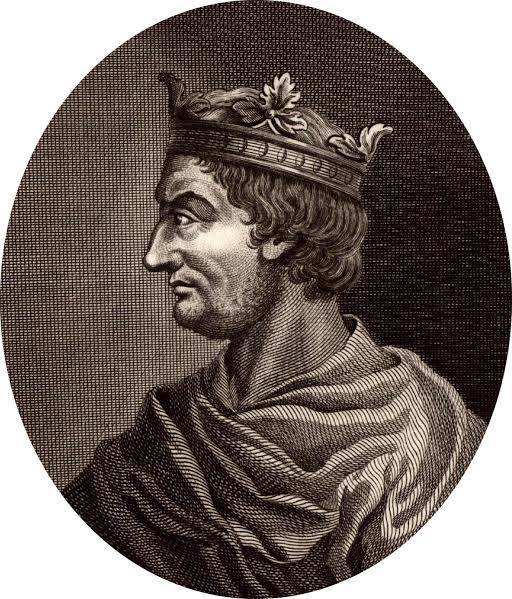
Robert II, King of France (c. 970–1031), surnamed "Le Pieux" (the Pious) and "Le Dévot," was an 11th-century monarch whose reign combined political trials with deep personal piety, monastic devotion, and a celebrated gift for church music. Born around 970, he was the son of Hugh Capet, founder of the Capetian dynasty. After ruling jointly with his father, Robert succeeded to the throne in his own right in 988. His personal life was marked by sorrow and struggle, notably his excommunication by Pope Gregory V for marrying his cousin Bertha of Chartres—a union he was eventually forced to renounce under ecclesiastical pressure. His subsequent marriage to Constance of Arles brought domestic discord, as she schemed to favor her younger children over the rightful heirs. Despite these trials, Robert was deeply beloved by his common subjects for his gentle character, charity, and active participation in church services, spending much of his time among monks and composing sacred music. He died at Melun on July 20, 1031, in the sixty-first year of his age and the thirty-fourth of his reign.
In the history of hymnology, King Robert has long enjoyed a traditional reputation as a royal hymn-writer and composer of medieval sequences. However, historical and liturgical scholarship—as documented by John Julian's Dictionary of Hymnology—reveals that specific attributions to him are complex and frequently disputed among medieval chroniclers. While 14th-century authorities such as William Durandus and ancient chronicles (such as those of Saint-Bertin and Alberic) credit him with various sequences, responsories, and antiphons, modern hymnologists treat many of these claims with caution.
Among the major Latin texts historically associated with his name are:
-
"Rex omnipotens die hodierna" — An Ascensiontide sequence which medieval chronicler Alberic and other sources suggest may be his work.
-
"Veni Sancte Spiritus" — The famous Golden Sequence for Pentecost; while William Durandus attributed it to King Robert, French tradition and other chroniclers treat its authorship as uncertain or assign it elsewhere (such as to Hermannus Contractus or Pope Innocent III).
-
"Sancti Spiritus adsit nobis gratia" — An early Pentecost sequence occasionally ascribed to Robert, though more reliably attributed by other early authorities to Notker Balbulus or Hermannus Contractus.
-
"Chorus novae Hierusalem" — A processional hymn for Easter attributed by Durandus to Robert, though modern scholars frequently assign it to Bishop Fulbert of Chartres.
Whether as a direct composer or as a royal patron who enriched the liturgy of the French church, King Robert left an enduring mark on medieval sacred music and the devotional heritage of the 11th century.
Hymns by Robert II, King of France
Includes hymns they wrote and hymns where they are credited as co-author, translator, paraphraser, or adapter.
| # | Title | Year | Views | |
|---|---|---|---|---|
| 1 | Come, Holy Ghost, in Love | circa. 1000s | 67 | View |
Recently added hymns
Updated hymnals
Suggestions or corrections: contact us.
Leave it in the forum for others to answer — hymn requests, lyrics help, writers, worship planning, and more.