Joseph Swain
Biography
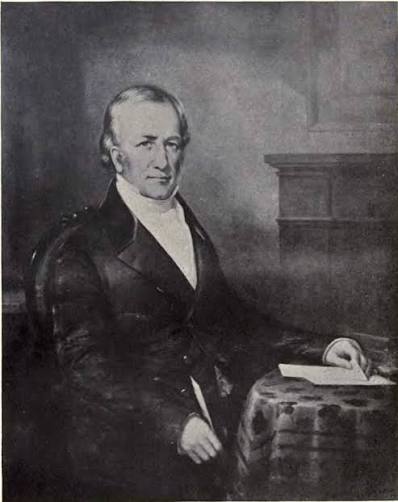
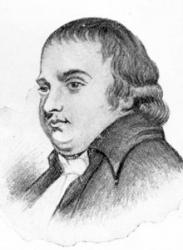
Joseph Swain was an influential 18th-century Baptist minister and poet whose brief but intense ministry in London left a lasting mark on the hymnody of the era. Born in Birmingham in 1761, Swain was initially apprenticed to an engraver before moving to the capital. His early life was largely secular until a profound spiritual awakening transformed his outlook. Possessing an emotional and poetic temperament, he began to express his newfound faith through verse. In 1783, he was baptized by the famous Dr. John Rippon, whose own work in hymnody likely influenced the young poet. By 1791, Swain was ordained as the pastor of a Baptist congregation in East Street, Walworth, where he quickly gained a reputation as a popular and deeply useful preacher.
Swain’s literary output was significant given that he died at the young age of thirty-five. His most important contribution to the church was the publication of the Walworth Hymns in 1792, which initially contained 129 hymns and was expanded with a supplement in 1794. These hymns were characterized by an earnest, experimental spirituality—focused on the inner life of the believer and the joy of the Christian community. His poetry often blended the rugged doctrinal clarity of the Baptist tradition with a warmer, more sentimental tone that resonated with the evangelical revival of the time.
Among his most enduring works is the hymn "How Sweet, How Heavenly Is the Sight," which beautifully describes the communion of saints and the necessity of Christian love. Another widely recognized piece is "O Thou in Whose Presence My Soul Takes Delight," which originated from his longer 1789 poem, Redemption. This hymn, often sung to the tune "Beloved," became a staple in American camp meetings and frontier revivals due to its vivid, shepherd-focused imagery and its expression of deep, personal longing for Christ during times of affliction.
The themes of heaven and the Second Advent were also central to Swain’s writing, as seen in hymns like "In Expectation Sweet" and "O How the Thought That I Shall Know." His verses often pictured the Christian life as a pilgrimage, a common motif in his era, but he infused it with a particular sense of joyful anticipation rather than somber duty. When Joseph Swain died in 1796 after only five years of pastoral service, he left behind a grieving congregation and a body of work that would continue to encourage "pilgrims to Canaan bound" for centuries to come. His hymns remain a testament to a life that, though short, was lived with a singular, poetic focus on the "heaven begun below."
Dictionary of Hymnology
And may I hope that when no more Hymn
A hymn on trust in God by Joseph Swain, printed in his Walworth Hymns, 1792, in 10 stanzas of 4 lines. Selections appear in Denham’s Saints’ Melody, 1837, and in an American Baptist hymnal.
ReadHymns by Joseph Swain
Includes hymns they wrote and hymns where they are credited as co-author, translator, paraphraser, or adapter.
| # | Title | Year | Views | |
|---|---|---|---|---|
| 1 | Brethren, While We Journey Here | 1783 | 850 | View |
| 2 | O Thou, in Whose Presence | 1791 | 1966 | View |
Recently added hymns
Suggestions or corrections: contact us.
Leave it in the forum for others to answer — hymn requests, lyrics help, writers, worship planning, and more.