




13 Traditional Hymns for Easter Sunday
Mar 12, 2026
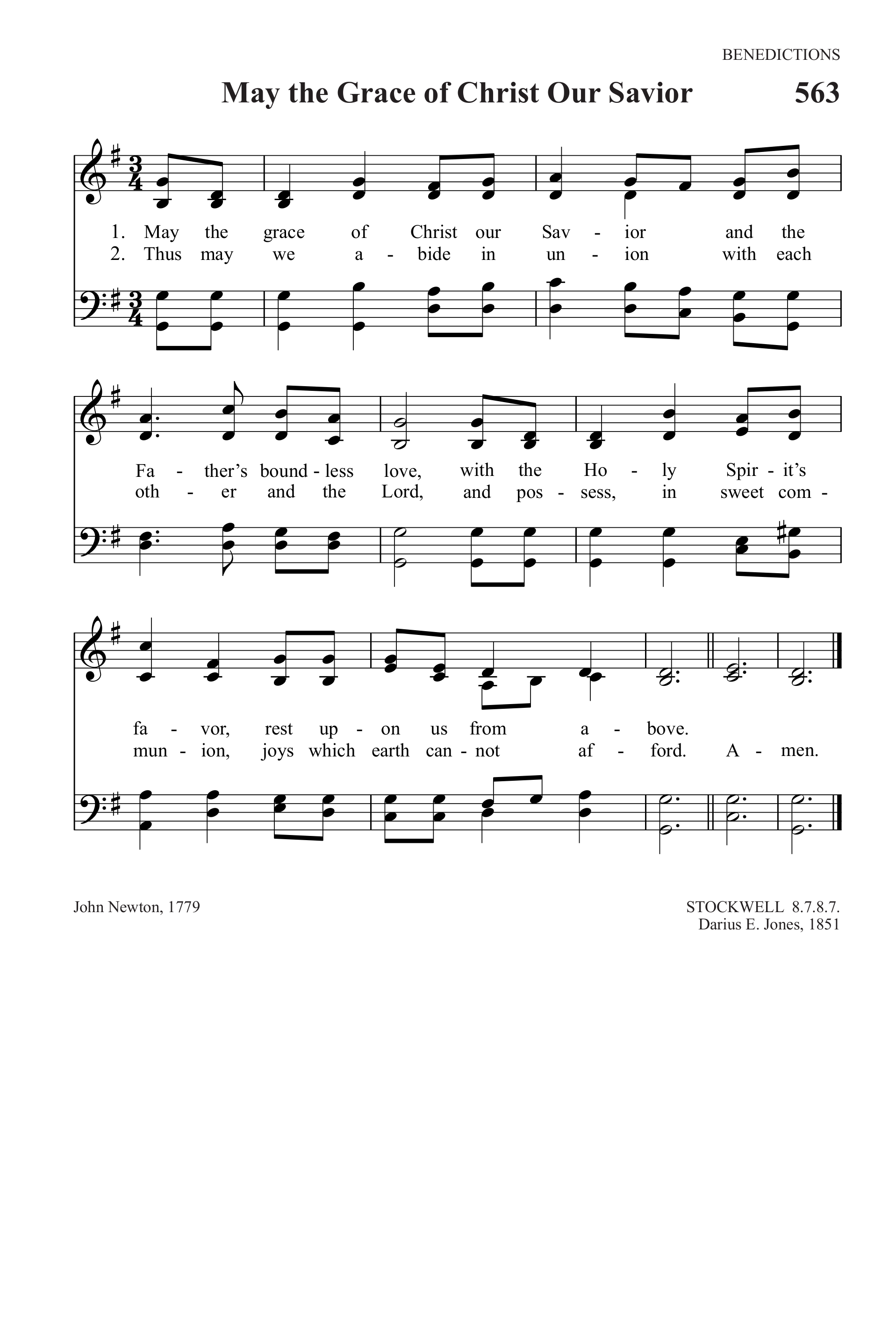
May the Grace of Christ Our Savior
By John Newton
Lyrics
May the grace of Christ our Savior
and the Father's boundless love,
with the Holy Spirit's favor,
rest upon us from above.
Thus may we abide in union
with each other and the Lord,
and possess in sweet communion
joys which earth cannot afford.
and the Father's boundless love,
with the Holy Spirit's favor,
rest upon us from above.
Thus may we abide in union
with each other and the Lord,
and possess in sweet communion
joys which earth cannot afford.
Bible Reference
2 Corinthians 13:14; Titus 2:11-14; Romans 15:5-6; Jude 1:24-25
About This Hymn
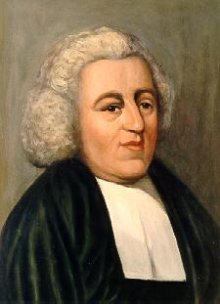
“May the Grace of Christ Our Savior” is a warm and theologically rich hymn by John Newton that functions both as a prayer and a benediction. Written in the late eighteenth century, the hymn reflects Newton’s pastoral heart and his deep grounding in Scripture. It is often used at the close of worship services, sending congregations forth with a reminder of God’s sustaining grace and unifying love.
The hymn is closely connected to 2 Corinthians 13:14, the apostolic benediction that invokes the grace of the Lord Jesus Christ, the love of God, and the fellowship of the Holy Spirit. Newton expands this scriptural blessing into poetic form, emphasizing that Christian unity and perseverance flow from God’s gracious work rather than human effort.
Titus 2:11-14 is reflected in the hymn’s understanding of grace as both saving and shaping. Grace is not presented merely as pardon for sin, but as a transforming power that teaches believers to live godly lives. Newton consistently affirmed this biblical balance, showing that true grace produces obedience, humility, and devotion to Christ.
The hymn also echoes Romans 15:5-6, which speaks of God granting believers unity of mind and voice for the purpose of glorifying Him together. Newton’s text highlights harmony among believers, rooted in shared faith and mutual love. This unity is not superficial agreement, but a spiritual bond created and sustained by God Himself.
Finally, the hymn’s closing tone aligns with Jude 1:24-25, pointing worshipers to God’s ability to keep His people from falling and to present them blameless with joy. The hymn leaves believers with confidence not in their own strength, but in God’s preserving grace.
“May the Grace of Christ Our Savior” remains a fitting hymn for dismissal and reflection. It gently reminds the church that every step of the Christian life, from beginning to end, is upheld by the grace of God in Christ, calling believers to walk together in faith, love, and praise.

📬 Subscribe to Our Devotional Updates
Receive weekly hymns, devotionals, and website features directly in your inbox.
✅ Thank you! You'll start receiving our updates soon.
⭐ Recommend This Hymn
Share this beautiful hymn with others
Latest Updated Hymnals
Hymn Information
- Category: Hymn
- Author/Writer: John Newton (1779)
- Added: January 12, 2026
- Last Updated: January 12, 2026
- Views: 303
To view the author's biography, click their name above.
MIDI File
Ready to load
Download MIDI
Popular Hymns
Recent Blog Posts



Popular Blog Posts




Visit Us on Social Media
Latest from X (Twitter)
Tweets by HymnalLibraryLatest from Facebook
Latest on YouTube
Loading latest video...
Daily Bible Verse
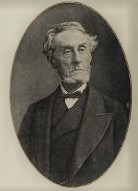
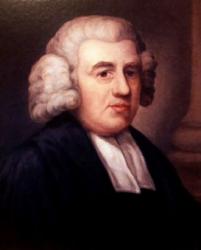 John Newton (1725–1807) was an English Anglican cleric, hymn writer, and prominent figure in the evangelical movement whose life story of conversion and service has inspired Christians for centuries. He was born in Wapping, London, England, on July 24, 1725, into a Christian home, but his mother died when he was young, and he went to sea with his father at age eleven. As a youth and young man he lived a reckless life at sea, was pressed into service in the Royal Navy, and later worked aboard slave ships in the trans-Atlantic slave trade, even becoming a ship’s captain for years. A severe storm at sea in 1748 led him to cry out to God and marked the beginning of his spiritual turning toward Christ, a change that grew more fully over subsequent years.
Disclaimer
The hymns, sheet music, MIDI files, and related content on this website are provided for educational and research purposes only.
- Public Domain: Many of the hymns featured here are in the public domain and may be freely used.
- Copyrighted Works: Some hymns may still be under copyright protection. Where applicable, permission has either been requested from the copyright owner, or the content is shared under the principles of fair use for educational purposes.
⚠️ Important Notice: If you wish to reproduce, distribute, or use any copyrighted hymn beyond personal study or educational use, you must obtain permission directly from the copyright holder. This website does not grant any rights for commercial use yet.
If there is any other question please address it to us in our Contact Page, for further assistance. Thank you for using the site. May God Bless You.