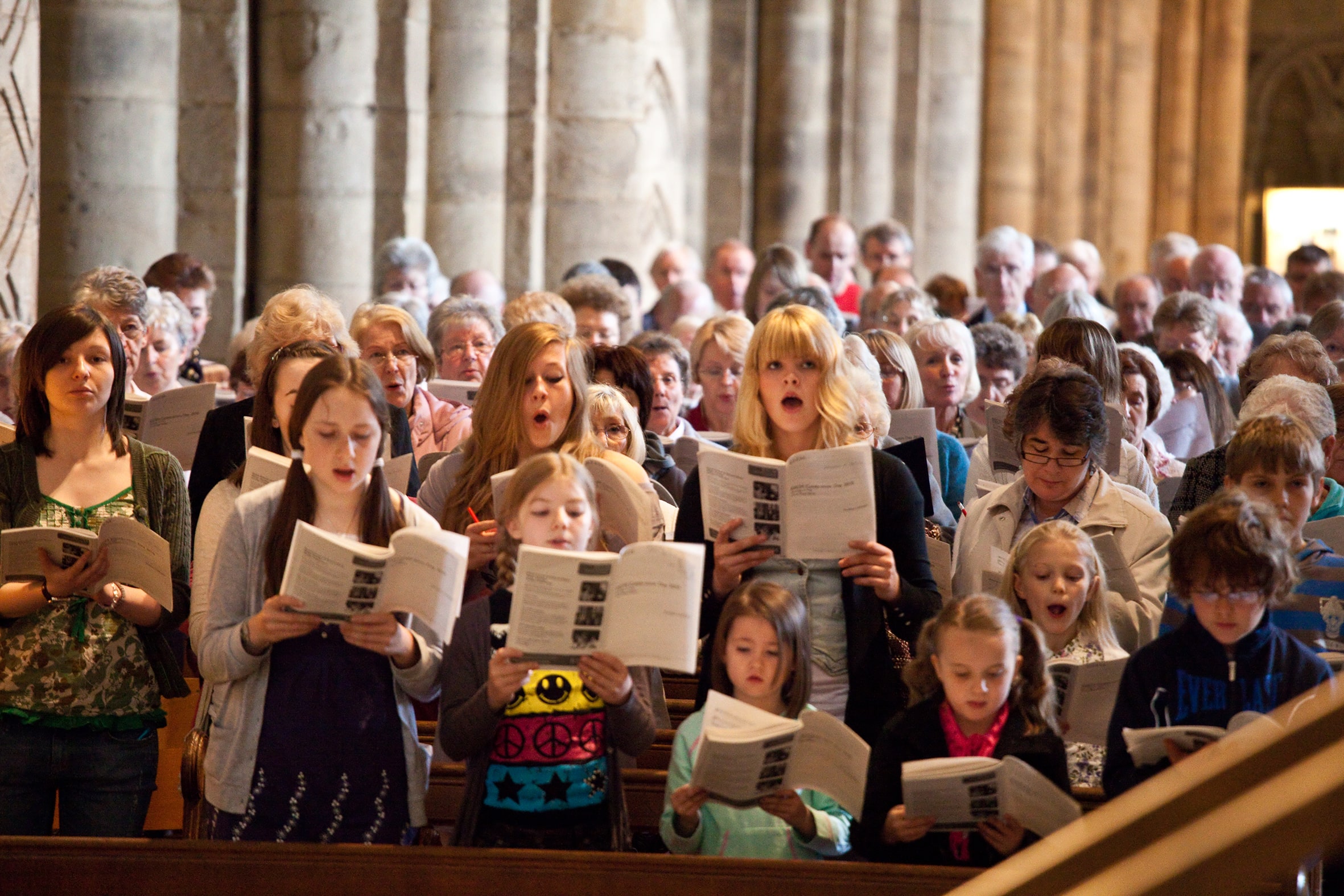
Why Some Hymns Were Banned in Churches
Hymns are more than melodies. They are theology set to memory, corporate confession, and pastoral formation sung aloud. For that reason, songs have long been the subject of careful scrutiny. At various times and in many places churches have prohibited certain hymns. Sometimes the prohibition was temporary. Other times it lasted generations. Understanding why hymns have been banned helps us think wisely about worship, doctrine, and pastoral care today.
Below are the major reasons churches have banned hymns, historical examples to illustrate each reason, and a pastoral guide for how congregations should evaluate music now.
1. Theological Concerns: Protecting Truth
The most basic reason a hymn can be banned is that its words teach error. Churches have a duty to safeguard doctrine. Hymns that distort the person of Christ, deny key doctrines such as atonement or justification, or encourage unbiblical practices have been rejected by prudent church leaders.
Historical example. In the Reformed tradition many congregations practiced exclusive psalmody. These churches did not ban all singing except Psalms out of musical preference. They rejected hymns broadly because they believed only the inspired words of Scripture were safe to sing publicly. The concern was theological. If a hymn contains inaccurate doctrine it can lead a congregation astray, and so it was barred.
Contemporary parallel. In recent decades some churches have withdrawn certain contemporary songs because they contained ambiguous Christology, imprecise language about salvation, or untested extra biblical theology. Leaders who cancel such songs are often motivated by the same pastoral responsibility that led earlier leaders to restrict singing.
2. Liturgical and Confessional Reasons: Preserving Worship Order
Some traditions maintain strict liturgical forms. They have confessions or worship rubrics that prescribe what may be sung. Hymns that conflict with those forms, or that were associated with rival movements, have been excluded.
Historical example. The Puritans and some Presbyterian bodies required only metrical psalms in public worship. Their ban on hymns arose from conviction about the regulative principle of worship. They believed God authorized only certain elements in corporate worship. Unregulated additions, including new hymn texts, were therefore proscribed.
Liturgical care is not merely legalism. It reflects a desire to worship according to revealed pattern. When new songs threaten that order, some churches respond by forbidding them.
3. Fear of Emotionalism and Irreverence
Worship that substitutes feeling for truth or spectacle for reverence has long worried pastors. Some hymns were banned because they were associated with revival excess, manipulative emotional appeals, or theatrical performance rather than sober worship.
Historical example. In some 18th and 19th century revivals ministers banned certain “camp meeting” songs from the regular service. The songs were powerful in the revival setting but were thought to encourage emotionalism when used in ordinary worship.
This is not a critique of heartfelt singing. The Bible calls for worship with the heart. The concern is substitution. If a hymn becomes the vehicle of manipulation rather than genuine prayer, leaders may restrict it.
4. Cultural or Political Associations
Songs can carry political, nationalistic, or cultural baggage. Churches have sometimes banned hymns not because the theology was wrong but because the hymn had been used to promote causes contrary to the church’s conscience.
Example. Hymns that became marching songs, patriotic anthems, or tools of empire were rejected by churches that wished to keep worship free from partisan appropriation. More recently some congregations have set aside hymns because they are associated with colonial or racial oppression. The concern is that worship should not idolize a political agenda or gloss over injustice.
5. Denominational and Proprietary Controls
Some hymnody has been controlled by denominational bodies, publishers, or liturgical committees. Hymns outside the approved corpus were effectively banned in those systems.
Example. In some state churches or highly centralized denominations, synodal approval determined hymn selection. A hymn not authorized by the hymnal commission would not be permitted in official services. Those restrictions were administrative in nature but functioned as bans.
6. Musical or Practical Objections
Occasionally a hymn is barred for non theological reasons. If a melody is unsingable, if the meter is awkward, or if a text is poetically weak, leaders might remove it to preserve congregational participation and musical integrity.
Example. Many historic hymnals went through editions where editors removed awkward or obscure texts in favor of clearer, more singable material. The decision was pastoral, not doctrinal.
7. Protection from Heresy in Persecuted Contexts
In places where Christianity was restricted by the state, certain hymns could be banned by civil authority. Communist and authoritarian regimes often outlawed Christian hymnody altogether. In such contexts the ban came from outside the church but affected what could be sung publicly.
Example. In the Soviet Union churches were prohibited from publicly singing many Christian hymns and were sometimes forced to use neutral or state approved texts. The purpose was political control. The church’s response varied from underground singing to careful restraint.
8. Moral or Language Problems
Some hymns use language that later generations deem inappropriate. Sexualized metaphors, romanticized imagery about the beloved in a way that distracts from Christ, or language that lends itself to misunderstanding have led to bans or removal.
Example. Certain devotional songs that use overly erotic bridal imagery without sufficient theological framing have been set aside by cautious churches. The motive is to avoid misleading impressions in multigenerational settings.
9. Historical Reassessment
Sometimes bans arise after historical reassessment of an author. Hymns by a beloved writer might be dropped if that writer later is found to have held views the church repudiates, or if the hymn’s provenance proves problematic.
Example. Hymns by composers later discovered to be involved in immoral behavior, political extremism, or theological error have been removed from some collections. The church then weighs whether the text can stand apart from the author.
Hymns have been banned for many reasons. Some bans protected doctrinal truth and guarded the flock. Others resulted from cultural fear or overcaution. Still others were imposed by political powers outside the church. The pattern is plain. Because songs teach, they must be tested.
For the church today the guiding question is simple. Will the hymn point hearts to Christ, build up the body, and align with Scripture? When it does, sing with gladness. When it does not, set it aside with pastoral care. In every case the aim is the same. Worship must be faithful, formative, and centered on the gospel.




No comments yet. Be the first to share your thoughts!