



The Surprising Way God Answers Prayers
Mar 20, 2026
Sing, My Tongue, the Glorious Battle
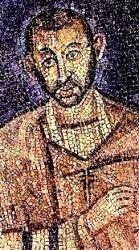
By Venantius Honorius Clementianus Fortunatus
Lyrics
1. Sing, my tongue, the glorious battle;
sing the ending of the fray.
Now above the cross, the trophy,
sound the loud triumphant lay:
tell how Christ, the world's Redeemer,
as a victim won the day.
sing the ending of the fray.
Now above the cross, the trophy,
sound the loud triumphant lay:
tell how Christ, the world's Redeemer,
as a victim won the day.
2. Tell how, when at length the fullness
of the appointed time was come,
He, the Word, was born of woman,
left for us His Father's home,
blazed the path of true obedience,
shone as light amidst the gloom.
of the appointed time was come,
He, the Word, was born of woman,
left for us His Father's home,
blazed the path of true obedience,
shone as light amidst the gloom.
3. Thus, with thirty years accomplished,
He went forth from Nazareth,
destined, dedicated, willing,
did His work, and met His death;
like a lamb He humbly yielded
on the cross His dying breath.
He went forth from Nazareth,
destined, dedicated, willing,
did His work, and met His death;
like a lamb He humbly yielded
on the cross His dying breath.
4. Faithful cross, true sign of triumph,
be for all the noblest tree;
none in foliage, none in blossom,
none in fruit your equal be;
symbol of the world's redemption,
for the weight that hung on thee!
be for all the noblest tree;
none in foliage, none in blossom,
none in fruit your equal be;
symbol of the world's redemption,
for the weight that hung on thee!
5. Unto God be praise and glory:
to the Father and the Son,
to the eternal Spirit honor
now and evermore be done;
praise and glory in the highest,
while the timeless ages run.
to the Father and the Son,
to the eternal Spirit honor
now and evermore be done;
praise and glory in the highest,
while the timeless ages run.
Bible Reference
John 19:17–30; Philippians 2:8–11; Colossians 2:14–15; 1 Corinthians 1:18
About This Hymn
“Sing, My Tongue, the Glorious Battle” is a hymn originally written in Latin by Venantius Fortunatus as Pange lingua gloriosi proelium certaminis. It is one of the most important hymns of the early church, focusing on the suffering, death, and victory of Christ on the cross. The hymn was later translated into English by John Mason Neale, who helped make many ancient hymns accessible to English speaking congregations.
The hymn vividly presents the crucifixion of Christ, drawing on the account in John 19:17–30, where Jesus is led to Golgotha and gives His life for the salvation of the world. It portrays the cross not only as an instrument of suffering but also as the means of victory over sin and death.
Another key theme is the humility and obedience of Christ. Philippians 2:8–11 teaches that Jesus humbled Himself and became obedient unto death, even the death of the cross, and that God has exalted Him above every name. The hymn reflects this truth by connecting Christ’s suffering with His ultimate triumph and exaltation.
The message also relates to Colossians 2:14–15, which describes how Christ canceled the record of sin and triumphed over spiritual powers through the cross. The hymn celebrates this victory, presenting the cross as the turning point in the history of redemption.
Additionally, the hymn echoes 1 Corinthians 1:18, which declares that the message of the cross is the power of God to those who are being saved. Through its poetic language, the hymn highlights the paradox that what appears to be weakness is actually the means of divine strength and salvation.
“Sing, My Tongue, the Glorious Battle” continues to be used especially during Holy Week, inviting believers to reflect on the sacrifice of Christ and to rejoice in the victory accomplished through His death on the cross.


📬 Subscribe to Our Devotional Updates
Receive weekly hymns, devotionals, and website features directly in your inbox.
✅ Thank you! You'll start receiving our updates soon.
⭐ Recommend This Hymn
Share this beautiful hymn with others
This hymn is found in these hymnals
Open the hymnal that contains this hymn:
Latest Updated Hymnals
Hymn Information
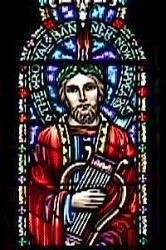
- Category: Hymn
- Tune: PANGE LINGUA
- Meter: 8.7.8.7.8.7
- Author/Writer: Venantius Honorius Clementianus Fortunatus (600)
- Added: March 20, 2026
- Last Updated: March 20, 2026
- Views: 21
To view the author's biography, click their name above.
MIDI File
Ready to load
Download MIDI
More Hymns by Venantius Honorius Clementianus Fortunatus
Popular Hymns
Recent Blog Posts



Popular Blog Posts




Visit Us on Social Media
Latest from X (Twitter)
Tweets by HymnalLibraryLatest from Facebook
Latest on YouTube
Loading latest video...
Daily Bible Verse
Disclaimer
The hymns, sheet music, MIDI files, and related content on this website are provided for educational and research purposes only.
- Public Domain: Many of the hymns featured here are in the public domain and may be freely used.
- Copyrighted Works: Some hymns may still be under copyright protection. Where applicable, permission has either been requested from the copyright owner, or the content is shared under the principles of fair use for educational purposes.
⚠️ Important Notice: If you wish to reproduce, distribute, or use any copyrighted hymn beyond personal study or educational use, you must obtain permission directly from the copyright holder. This website does not grant any rights for commercial use yet.
If there is any other question please address it to us in our Contact Page, for further assistance. Thank you for using the site. May God Bless You.