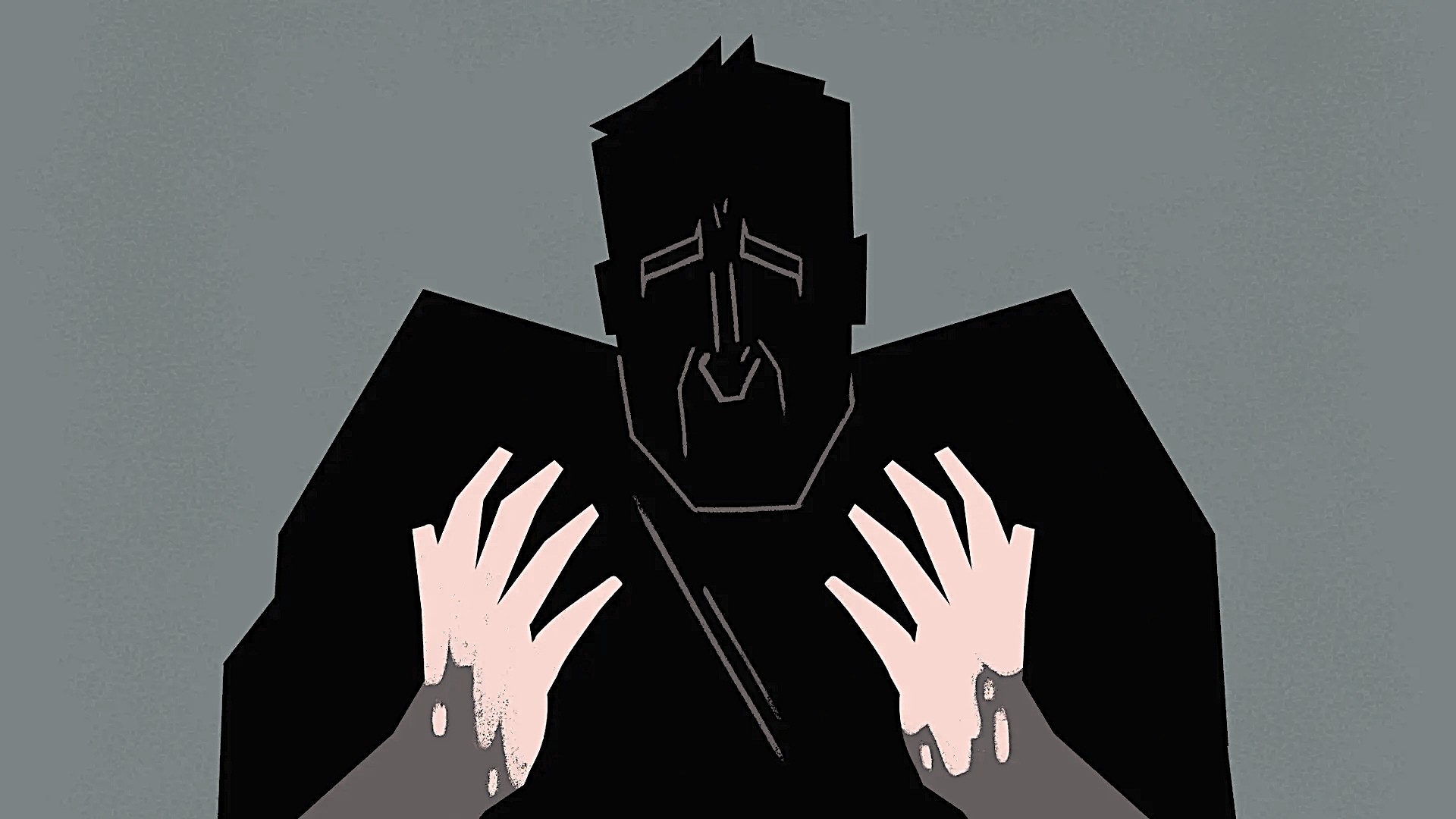
Understanding the Unforgivable Sin
Few biblical topics cause as much fear and confusion as the unforgivable sin. Many worry that a careless word, a past season of rebellion, or a dark thought may have placed them beyond God’s forgiveness. Scripture, however, gives a clear context, precise definition, and strong assurance for those who carefully study what Jesus actually taught.
1. Where the Bible Mentions the Unforgivable Sin
The primary passages appear in the Gospels:
“Wherefore I say unto you, All manner of sin and blasphemy shall be forgiven unto men: but the blasphemy against the Holy Ghost shall not be forgiven unto men.” (Matthew 12:31, KJV)
“He that shall blaspheme against the Holy Ghost hath never forgiveness, but is in danger of eternal damnation.” (Mark 3:29, KJV)
“Unto him that blasphemeth against the Holy Ghost it shall not be forgiven.” (Luke 12:10, KJV)
These statements are serious and must be interpreted within their historical and theological context, not in isolation.
2. The Immediate Context. What Was Happening?
Jesus spoke these words in response to the Pharisees’ accusation that He cast out demons by the power of Satan.
“But when the Pharisees heard it, they said, This fellow doth not cast out devils, but by Beelzebub the prince of the devils.” (Matthew 12:24, KJV)
This was not ignorance. It was willful, informed rejection. The Pharisees witnessed undeniable miracles performed by Christ through the Holy Spirit and deliberately attributed them to Satan.
Jesus responds by warning them that such a hardened stance places a person beyond forgiveness.
3. What Is the Unforgivable Sin?
The unforgivable sin is not a single careless statement or moment of doubt. It is a settled, persistent condition of the heart.
Biblically defined, it is:
A deliberate, knowing, and final rejection of the Holy Spirit’s testimony about Jesus Christ.
The Holy Spirit’s role is clear:
“But when the Comforter is come… he shall testify of me.” (John 15:26, KJV)
To blaspheme the Holy Spirit is to call God’s saving work evil and to reject Christ with full light and understanding (Hebrews 10:26–29).
4. Why This Sin Cannot Be Forgiven
Forgiveness is always available through repentance of sin (for fellowship) and faith in Christ (for salvation). The unforgivable sin cannot be forgiven because repentance is no longer sought.
“Whereof the Holy Ghost is a witness to us… And their sins and iniquities will I remember no more.” (Hebrews 10:15–17, KJV)
When a person persistently rejects the Spirit’s witness, they reject the only means by which forgiveness is applied (John 16:8–9). God does not withhold forgiveness from the repentant. The problem is that the heart has become irreversibly hardened (Hebrews 3:12–13).
5. What the Unforgivable Sin Is Not
This is crucial for anxious believers.
The unforgivable sin is NOT:
-
A moment of anger or blasphemous thought
-
Struggling with doubts or questions
-
Backsliding or falling into serious sin
-
Something committed accidentally
-
Something a believer can commit
Scripture is clear:
“If we confess our sins, he is faithful and just to forgive us our sins.” (1 John 1:9, KJV)
Anyone who desires forgiveness has not committed the unforgivable sin. The very concern itself is evidence of the Holy Spirit’s work.
6. Can a Christian Commit the Unforgivable Sin?
The consistent testimony of Scripture is no.
Jesus promised:
“My sheep hear my voice… and they shall never perish.” (John 10:27–28, KJV)
Believers are sealed by the Holy Spirit:
“After that ye believed, ye were sealed with that holy Spirit of promise.” (Ephesians 1:13, KJV)
The unforgivable sin describes a state of final unbelief, not a struggle within faith. A true believer may grieve the Spirit (Ephesians 4:30), but does not utterly reject Him.
7. Why Jesus Issued This Warning
Jesus’ warning was not meant to terrify tender consciences but to expose hardened hearts.
The Pharisees were religious, knowledgeable, and morally strict, yet spiritually blind. Jesus showed that religion without repentance can lead to eternal ruin (Matthew 23:27–28).
The warning still stands as a call to humility:
“To day if ye will hear his voice, harden not your hearts.” (Hebrews 3:15, KJV)
If you are worried that you have committed the unforgivable sin, consider this truth:
Those who have committed it are not concerned that they have.
The door of mercy remains open to all who come to Christ:
“Him that cometh to me I will in no wise cast out.” (John 6:37, KJV)
The unforgivable sin is not about the power of sin but about the final rejection of grace.
The unforgivable sin is not a mysterious trap waiting to catch sincere believers. It is the tragic end of a heart that persistently, knowingly, and finally rejects the Holy Spirit’s witness to Jesus Christ.
For those who believe and cling to Christ, the Bible offers not fear, but assurance:
“There is therefore now no condemnation to them which are in Christ Jesus.” (Romans 8:1, KJV)





No comments yet. Be the first to share your thoughts!