The Story of “Silent Night”: From a Small Austrian Village to a World-Famous Christmas Carol
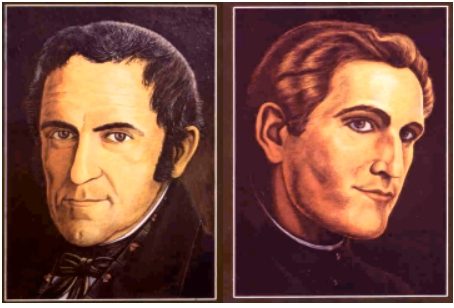
It is Christmas Eve, and the melody of a Christmas carol fills the still night in a small European village. For nearly 150 years, in many parts of the world, people have been singing this song, a song that comes to us as Silent Night. Its history begins in Austria, in the little village of Oberndorf, located in the province of Salzburg. Today, a visitor to Oberndorf can trace the story of this beloved hymn near the church of St. Nicholas, where a chapel preserves the memory of the song and its creators through portraits and stained glass. The story highlights two men: Father Joseph Mohr, the village priest who wrote the lyrics, and Franz Xaver Gruber, the schoolteacher and choir master who composed the music.
The year is 1818, and the holiday season is in full swing. Traditional Christmas customs fill the village: girls carry paintings of Mary and Joseph from house to house, boys dressed as shepherds carol and collect gifts of food for the poor, and families gather to celebrate the story of the first Christmas. That afternoon, the church doors of Oberndorf stood open, but inside all was still. Choir master Franz Gruber had discovered that the church organ was broken, leaving Father Mohr without music for the Christmas Eve service. Music was essential for the celebration, and the problem weighed heavily on Father Mohr, who at the time was away visiting a family in a mountain cabin.
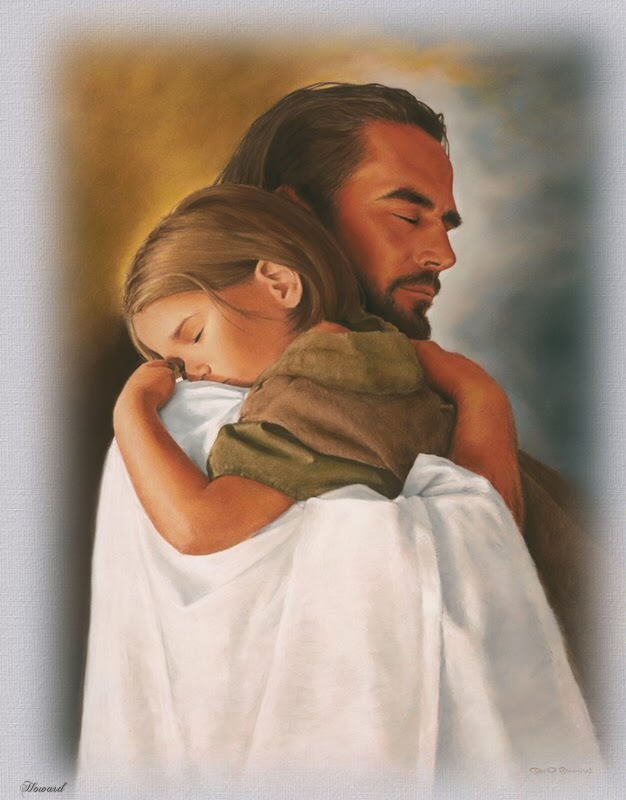
As Father Mohr walked along snowy mountain slopes, his thoughts dwelt on the preparations for Christmas. He admired the quiet beauty of God’s creation, the dark forest silhouetted against the gleaming snow, and the faint musical sounds of a mountain stream. Arriving at the cabin, he was warmly welcomed and greeted a newborn child with his mother. Perhaps he thought of the Christ child lying in a manger, whose birth the world would celebrate on this holy night. Returning to the village under the moonlight, Father Mohr reflected on the child he had seen and the beauty of the night. Inspired, he penned a poem whose words seemed to come quickly and naturally: “Silent night, holy night.”
Father Mohr wondered whether the poem could be set to music. He took it to his friend Franz Gruber, and together the priest and schoolteacher discussed how to create a melody that would accompany the words. Gruber read the poem aloud, and the two recognised that the lyrics suggested a simple, gentle melody. Gruber composed the tune and first played it on his guitar. Thus, the song the two men had created was presented for the very first time at the Christmas Eve service in Oberndorf in 1818. The congregation joined in, singing of the peace, holiness, and wonder of the night when Christ was born.
After that first Christmas, the song remained local to Oberndorf. Only with the arrival of spring did an organ mender come to repair the church’s instrument. Gruber played the song on the organ, and the mender remembered the melody and words on his journey back to his own village. He taught the children there, who carried the song through the valleys of the Alps. Over the years, it spread to larger cities, reaching St. Peter’s Abbey in Salzburg and then across Europe, to Paris, London, and eventually to America. From those humble beginnings in a small Austrian village, Silent Night grew into a carol beloved by people around the world.
Today, Silent Night belongs to everyone. It is sung in cities and small towns alike, celebrated in churches, homes, and public gatherings. Its gentle melody and timeless message of peace, hope, and the birth of Christ continue to inspire hearts worldwide, reminding us that the simple, quiet moments of devotion can resonate across generations.
Link to the Video: Here



No comments yet. Be the first to share your thoughts!