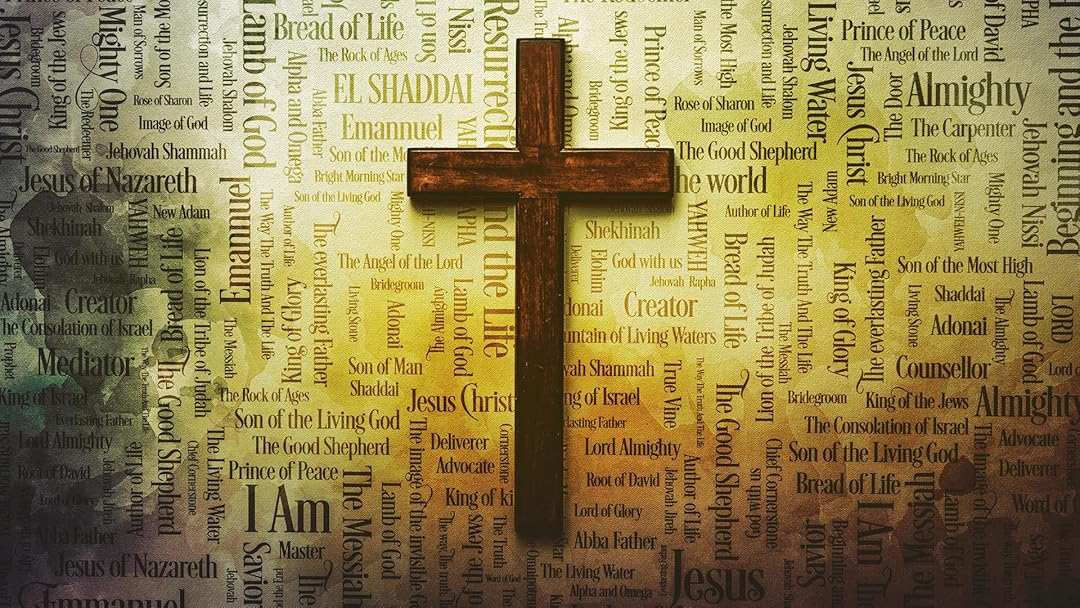
Why Is Christianity the Only True Religion?
The historical evidence behind the Christian faith, and the unique message of salvation that Christianity presents to the world. At the heart of the Christian claim stands a very simple conviction. Truth must be based on reality, and if God has truly acted in history, then that action becomes the measure by which all other religious claims are tested.
The first reason Christianity claims exclusive truth is the person of Jesus Christ. Every major religion offers a prophet, teacher, or spiritual guide who points to a path or a set of principles. Christianity is different, because Jesus does not simply point to a path. He claims to be the path itself. In John 14:6 Jesus declares, “I am the way, the truth, and the life. No man cometh unto the Father, but by me.” This is not the language of a teacher offering wisdom. It is the language of someone claiming divine identity. Jesus does not present truth. He declares Himself to be the truth. His life, teachings, miracles, death, and resurrection are presented in Scripture as the central turning point of God’s revelation to humanity.
Secondly, Christianity makes its claim based on historical events. Many religions base their beliefs on private visions or moral philosophy, but the Christian message is grounded in public historical acts. The birth, ministry, crucifixion, and resurrection of Jesus took place in a known location and time period, under documented political figures such as Herod, Pilate, and Caesar. Paul appeals to eyewitnesses in 1 Corinthians 15:6, stating that more than five hundred people saw the resurrected Christ. The Christian faith hinges on an event that is open to historical inquiry, and the empty tomb provides a foundation for the Christian claim that no other religion can parallel.
Another reason Christianity is considered the only true religion is the nature of divine revelation in Scripture. The Bible presents a unified story across centuries and through dozens of authors, all pointing to the same central figure, the promised Messiah. The Old Testament forms the foundation that prepares for the coming of Christ, and the New Testament completes the message by declaring His identity and mission. Prophecies made hundreds of years earlier, such as those in Isaiah, Micah, and the Psalms, find precise fulfillment in the life of Jesus. This level of unity and fulfillment is unmatched in world religious literature.
Christianity also stands apart in its doctrine of salvation. Every other belief system teaches a form of human effort, whether by moral improvement, rituals, meditation, or spiritual progression. Christianity teaches that salvation is entirely by grace through faith because humanity is incapable of saving itself. Ephesians 2:8 to 9 explains that salvation is a gift of God, not of works, so that no one may boast. Christianity does not present a ladder for people to climb toward God. It describes God descending to humanity in the person of Christ to accomplish what humans could never achieve through effort. This message of grace is unique, deeply humbling, and theologically powerful.
The exclusivity of Christianity is also tied to the resurrection of Jesus. If Jesus rose from the dead, then Christianity is not merely one religious option among many. The resurrection vindicates every claim Jesus made about Himself, including His divine identity and His authority to forgive sins. Romans 1:4 says He was declared to be the Son of God with power by the resurrection from the dead. No other religious leader predicts His own death and resurrection, and no other religion rests upon an empty tomb as its central claim. The resurrection stands as the decisive act that separates Christianity from every other worldview.
Some object that religious exclusivity is narrow or unfair. However, every truth claim is exclusive by nature. A statement cannot be both true and not true at the same time. If Jesus truly is the Son of God, then every religion that denies His identity must be incorrect at that point. Christians do not claim Jesus is the only way because they think they are better or wiser. They claim He is the only way because He said so, and because His life and resurrection validate that claim. Acts 4:12 states, “Neither is there salvation in any other. For there is none other name under heaven given among men, whereby we must be saved.”
Finally, Christianity provides a worldview that explains the human condition with remarkable clarity. It teaches the dignity of humanity as created in the image of God, the reality of sin as the cause of suffering and separation from God, and the solution provided by Christ who restores what sin has damaged. Its teachings align with the deep moral intuition of the human heart, the complexity of human nature, and the universal need for redemption. Christianity does not just claim to be true. It proves itself through coherence, evidence, prophecy, history, and the transformative power it produces in the lives of believers.
For all these reasons, Christians affirm that Christianity is the only true religion, not out of pride but out of conviction that God has spoken clearly, acted in history, and revealed Himself fully through His Son. The message of Christ is not one voice among many. It is the voice of the living God calling all people to repentance, faith, and eternal life.

No comments yet. Be the first to share your thoughts!