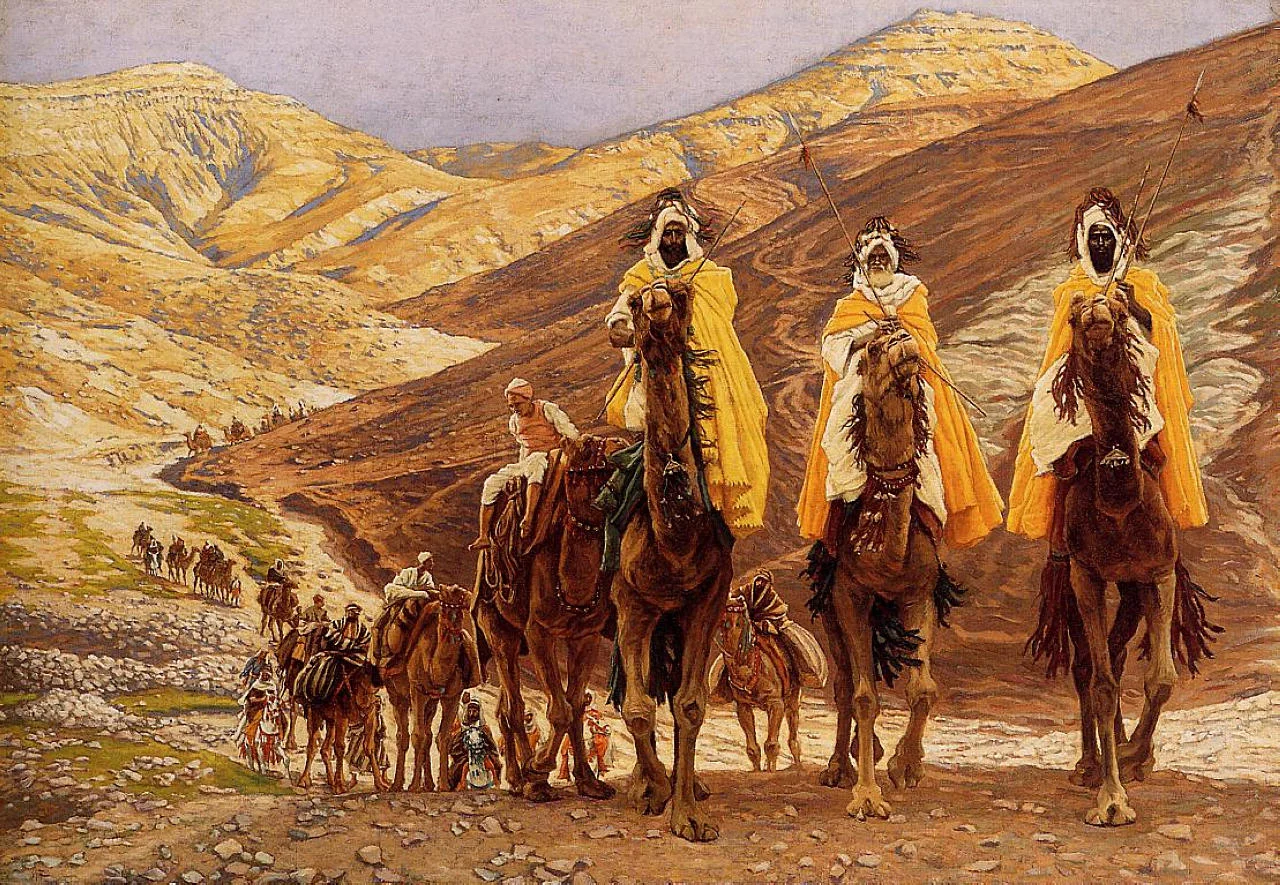
The Story Behind the Hymn We Three Kings of Orient Are Hymn
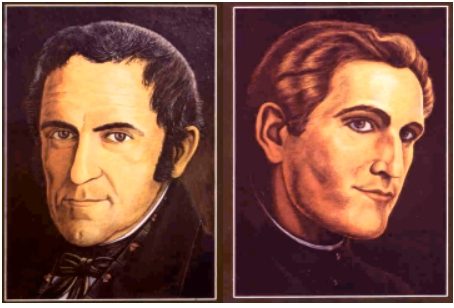
“We Three Kings of Orient Are” was written by John Henry Hopkins Jr. in 1857. At that time, Hopkins was a clergyman and music teacher at the General Theological Seminary in New York. The hymn was originally composed for a Christmas pageant at the seminary, and Hopkins provided both the lyrics and the melody. This was unusual in the nineteenth century, since most hymns had one author for the text and another for the music.
The hymn first appeared in Hopkins’s 1863 collection titled Carols, Hymns, and Songs. From there, it spread quickly throughout the United States and later throughout the United Kingdom. It became one of the first American-written Christmas carols to gain international recognition. It was eventually included in British collections such as Christmas Carols Old and New.
The melody, known as “Kings of Orient,” is set in a minor key and triple meter. This gives the hymn a distinctive sound that helps listeners imagine the long journey of the Magi across “field and fountain, moor and mountain.” The musical flavour creates an atmosphere of solemnity, wonder, and pilgrimage, which suits the biblical story it portrays.
The lyrics tell a dramatised version of the visit of the Magi recorded in Matthew chapter 2. Although Scripture does not say there were three wise men or call them kings, later Christian tradition connected the three gifts to three travellers. Hopkins follows that tradition for the structure of the hymn. The first and last stanzas represent all the travellers singing together. The middle verses were designed as solos, each describing one of the gifts of gold, frankincense, or myrrh. This arrangement made the hymn ideal for pageants and Christmas programs.
The symbolism of the gifts is the theological heart of the hymn. Gold represents the kingship of Christ. Frankincense points to His deity and the worship He deserves. Myrrh points to His suffering and death and reminds us that the child born in Bethlehem came to give His life for the world. In this way, the hymn moves beyond the manger and leads worshipers to meditate on the full identity of Jesus Christ as King, God, and Sacrifice.
Over time, “We Three Kings” became one of the most beloved songs of both Christmas and Epiphany. Its combination of storytelling, symbolism, and memorable melody has helped it remain widely used in congregations, choirs, and family celebrations. The global background of the Magi also reflects the missionary theme of the Gospel, since the visit of the wise men shows that Christ came not for Israel alone but for all nations.
For further reading about the hymn’s background, musical details, and historical notes, you may refer to the Hymn All Library entry here:
We Three Kings of Orient Are
https://www.hymnallibrary.org/hymns/we-three-kings-of-orient-are/
To enjoy a musical presentation of the hymn, here is the video link you provided:
YouTube performance
https://youtu.be/AWnkNm8VQNI
We Three Kings” comes from its blend of Scripture, tradition, theology, and melody. The hymn invites every listener to join the journey of the Magi, to bring their own gifts of worship, and to follow the light that leads to Christ. Whether sung in a church service, performed by a choir, or played at home during the Christmas season, this hymn continues to point hearts toward Jesus. It reminds us that the child who received gold, frankincense, and myrrh is the Saviour who gives light, hope, and salvation to those who seek Him.

No comments yet. Be the first to share your thoughts!